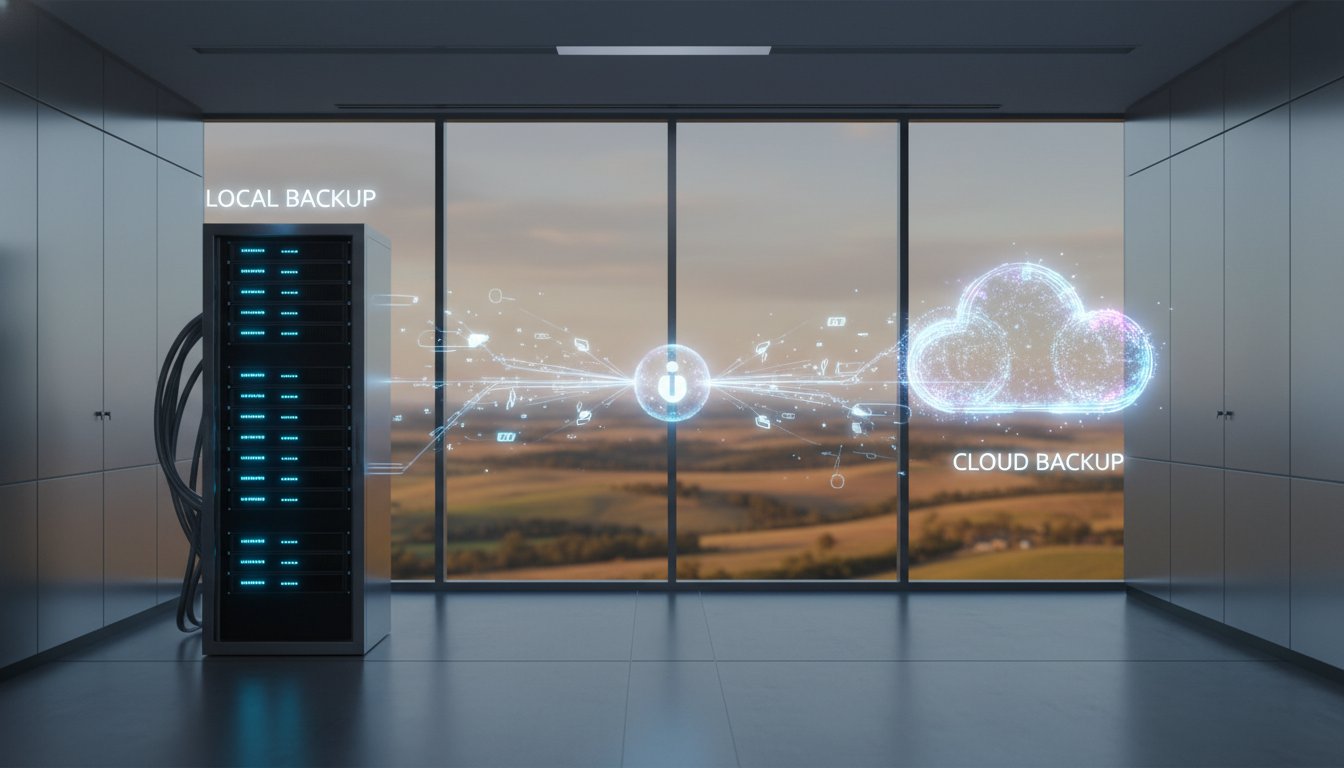

The Australian Signals Directorate’s 2023 report revealed that a cybercrime is now reported every 6 minutes, with small businesses facing average recovery costs of over A$46,000 per incident. When you’re running a local shop or office, these numbers represent the very real fear of losing your hard-earned customer data or facing days of silence during a sudden power outage. You likely feel that a single hardware failure or a severe storm could stop your operations in their tracks. It’s completely normal to feel anxious about complex terms like business continuity vs disaster recovery, but you don’t need to panic.

We understand that you want to keep your business running no matter what happens. This guide breaks down the essential differences between these two concepts to give you total clarity. You’ll discover a straightforward framework to build resilience and gain the peace of mind that comes with knowing your systems are protected. We’ll show you how to ensure your business stays connected and functional, even when the unexpected occurs in 2026.

Key Takeaways

  • Understand the vital distinction between business continuity vs disaster recovery to ensure your entire organisation remains operational during an unexpected crisis.
  • Learn how to calculate RTO and RPO metrics so you can set realistic expectations for data protection and system uptime in your local business.
  • Discover a practical checklist for identifying your critical assets and conducting a Business Impact Analysis to safeguard your business against future downtime.
  • Find out how partnering with a Toowoomba expert like Chaim Lee allows you to offload technical IT recovery while you focus on leading your team.

The Core Definitions: What are Business Continuity and Disaster Recovery?

Understanding business continuity vs disaster recovery is the first step toward protecting what you’ve built. Business Continuity (BC) acts as your broad umbrella strategy. It’s about keeping the whole operation alive while a crisis is unfolding. This involves Business continuity planning to ensure your staff know exactly what to do when things go wrong. Disaster Recovery (DR) is a specific part of that plan. It focuses on the technical side, such as getting your servers back online and restoring lost data.

Think of BC as being proactive and DR as being reactive. BC plans for the “during” phase of an event; DR plans for the “after.” In 2026, BCDR functions as a unified risk management strategy that bridges the gap between immediate survival and long-term technical resilience.

To better understand how these two concepts work together, watch this helpful video:

Business Continuity: The Broad Perspective

BC isn’t just about computers. It covers your people, your physical office, and how you communicate. It includes manual workarounds that keep the doors open when technology fails. For example, if a local Toowoomba shop loses its NBN connection, a BC plan might involve switching to a pre-configured 5G backup or using mobile EFTPOS terminals to keep sales moving. It’s about the practical “how-to” of staying operational. The goal is to maintain a minimum level of service so your customers stay happy and your revenue doesn’t stop.

A solid BC strategy usually addresses several key areas:

  • Alternative locations: Where staff work if the office is inaccessible.
  • Communication: How you notify staff and customers about the situation.
  • Manual processes: How to take orders or manage inventory without the primary software.
  • Safety: Ensuring the immediate physical security of all team members.

Disaster Recovery: The Technical Backbone

DR is the engine that powers your return to normal operations. It focuses on the restoration of servers, laptops, cloud data, and software. While BC keeps you moving, DR ensures you have a destination to return to. It involves the heavy lifting of rebuilding databases and syncing cloud files after a hardware failure or cyber attack. It’s the technical insurance policy that protects your digital life’s work.

If you find yourself in a situation where files are missing or systems are corrupted, professional Data Recovery Services are often the first step in that technical journey. DR is what happens behind the scenes to make sure your “business as usual” state is actually achievable. Without it, the manual workarounds used in your BC plan would eventually become unsustainable, leading to long-term financial loss.

Key Differences: Scope, Objectives, and Timelines

Understanding the distinction between business continuity vs disaster recovery helps you allocate resources where they matter most. Think of Business Continuity (BC) as your “Plan B” for staying open, while Disaster Recovery (DR) is the technical engine that gets your systems back online. They work together, but they serve different masters within your company.

The scope of Business Continuity is broad and organizational. It focuses on people, communication, and logistics. If your office in Toowoomba becomes inaccessible, BC dictates how your staff will work from home and how you will notify your clients. The objective is operational resilience. You want to keep the doors open, even if the building is gone.

Disaster Recovery has a narrower, technical scope. It focuses on your infrastructure: servers, backups, hardware, and networks. The objective is data integrity and system uptime. While BC keeps the business moving, DR focuses on the IT Disaster Recovery Plan to ensure your digital assets are safe and accessible. Execution timelines also differ significantly:

  • BC Execution: Starts the moment a disruption is detected. It is your immediate response to keep operations running.
  • DR Execution: Usually begins once the immediate threat is contained and the extent of the technical damage is known.
  • BC Responsibility: Involves your whole team, from management to front-line staff.
  • DR Responsibility: Typically handled by your IT support partner who manages the “heavy lifting” of data restoration.

How the Timelines Overlap

Visualise a timeline starting at the moment of impact. BC starts at second zero. You’re redirecting phones and checking on staff safety. DR starts shortly after, once your IT team can assess the servers. A gap between these two can lead to business failure. If your team is ready to work (BC) but the systems are still down (DR), you’re losing money every minute. We’ve seen that local businesses often struggle to sync these phases. Investing in reliable IT support for business is the best way to bridge this gap and ensure your tech recovery keeps pace with your staff’s needs.

Why Small Businesses Often Confuse the Two

A common misconception is that “having a backup” means you have a full business continuity plan. It doesn’t. A working backup is a vital part of DR, but it’s useless if you have no staff or office to use it. If a major storm hits and your hardware is destroyed, having data in the cloud is great, but you still need a plan for how your team will access that data without their usual workstations. DR restores the files; BC restores the function. Don’t panic if you only have one or the other right now. We can help you protect and connect every part of your operation so you’re ready for anything 2026 throws at you.

RTO and RPO: The Two Metrics Every Small Business Must Understand

When you sit down to plan your business continuity vs disaster recovery strategy, you’ll encounter two technical terms that define your entire approach: RTO and RPO. These aren’t just IT jargon; they are the financial guardrails for your business. Think of it this way: your RTO is your stopwatch, and your RPO is your safety net.

If a server fails or a ransomware attack locks your files, these metrics tell you how quickly you’ll be back in business and how much work you’ll have to redo. Balancing these two determines the cost and complexity of your setup. A “zero downtime” goal sounds great, but it requires significant investment. For most local firms, finding the “sweet spot” is about managing risk without breaking the bank.

Setting Your RTO (Recovery Time Objective)

RTO answers the question: “How long can we afford to be offline?” This is the duration between the moment a disaster strikes and the moment your services are operational again. Every hour of downtime has a literal price tag. For a retail store in Grand Central Toowoomba, an RTO of 4 hours might be the limit before customers head elsewhere. Losing a full day of trade could cost upwards of A$2,500 in lost revenue and staff wages.

In contrast, a local tradie might manage with a 24 hour RTO. Since they spend most of their time on-site and handle admin in the evenings, they don’t need immediate server access to keep working. To calculate your RTO, add up your hourly operating costs, lost sales, and potential late fees. This total helps you decide if you need a “quick-fix” solution or a more robust failover system.

Setting Your RPO (Recovery Point Objective)

RPO focuses on data: “How much data can we afford to lose?” It defines the maximum age of the files you recover from backup. If you back up your data at 5:00 PM every day and your system crashes at 4:00 PM the next day, you’ve lost 23 hours of work. For a law firm or an accounting practice, losing a day of billable entries is a nightmare.

Your RPO dictates your backup frequency. Modern systems allow for “near-continuous” data protection, backing up every 15 minutes. Achieving these tight windows often depends on your local infrastructure. Investing in Hardware Upgrades like NVMe SSDs and high-speed networking can drastically reduce the time it takes to push data to the cloud or a local NAS. When your hardware is fast, your RPO can be much shorter, ensuring that a business continuity vs disaster recovery event doesn’t result in weeks of re-keying data.

Building Your Plan: A Practical Checklist for Small Businesses

Creating a strategy for business continuity vs disaster recovery doesn’t have to be an overwhelming task. At Aspire Computing, we’ve helped Toowoomba businesses stay online since 1999 by focusing on practical, actionable steps. A 2024 report by the Australian Cyber Security Centre (ACSC) highlighted that small businesses are targets for cybercrime every 6 minutes, making a clear plan essential for your survival. Use this five-step checklist to protect your livelihood.

  • Step 1: Conduct a Business Impact Analysis (BIA). Identify which functions are the heartbeat of your company. If your main server fails, how many hours can you operate before losing significant revenue? For a small AU retailer, downtime can cost upwards of A$450 per hour in lost sales and wages.
  • Step 2: Inventory your critical assets. Create a detailed list of every laptop, software license, and customer database. You can’t recover what you haven’t tracked. Include serial numbers and warranty details for all hardware.
  • Step 3: Assign roles. Confusion is the enemy of recovery. Decide exactly who calls the IT experts at Aspire and who handles customer communications. Clear ownership prevents tasks from falling through the cracks during a crisis.
  • Step 4: Implement redundant systems. Relying on a single point of failure is risky. Set up automated cloud backups and a secondary 5G internet connection. Redundancy ensures that when one system fails, another takes over immediately.
  • Step 5: Test and Revise. A plan that sits in a drawer isn’t a plan; it’s a piece of paper. Conduct a “fire drill” every six months. Statistics show that businesses that test their recovery plans reduce their eventual downtime by 40%.

The “Don’t Panic” Approach to Documentation

You don’t need a 50-page manual that nobody will read. For most home offices and small teams, a simple 2-page “cheat sheet” is much more effective. This document should list emergency contacts, login procedures for cloud backups, and the first three steps to take when things go wrong. It’s vital to store a physical copy in a fireproof safe and a digital version in a secure cloud folder. If your office computer crashes, your plan needs to be accessible from your phone or a tablet.

Local Risks in the Toowoomba Region

Our region faces specific challenges like sudden summer storms and frequent power surges that can fry sensitive motherboards. Business continuity vs disaster recovery planning here must include high-quality surge protection and uninterruptible power supplies (UPS). Physical damage isn’t the only threat, though. Cyber-attacks often spike during regional disruptions. Integrating a robust virus and malware removal strategy into your plan ensures that a small infection doesn’t turn into a total data wipeout during a storm recovery.

Ready to secure your business against the unexpected? Talk to the experts at Aspire Computing today to build a resilient tech setup that keeps you connected.

Aspire to Protect: How Professional IT Support Secures Your Future

Managing a small business is a full-time job. You shouldn’t have to be an IT expert on top of that. Aspire Computing steps in to handle the technical heavy lifting so you can stay focused on your clients. Since 1999, Chaim Lee has provided reliable, approachable support to the Toowoomba community. We understand that while you focus on the broader strategy of business continuity vs disaster recovery, you need a partner who can execute the technical recovery side perfectly.

Our “Active Protection” model is built on prevention. We don’t just wait for things to break. We use proactive monitoring to catch hardware failures or security gaps before they turn into emergencies. Industry data suggests that proactive maintenance can prevent up to 70% of common IT issues. By stopping disasters before they require a full-scale recovery, we save you time, money, and significant stress. It’s about keeping you connected without the panic of unexpected downtime.

  • 24/7 monitoring of critical systems to catch errors early.
  • Regular, verified data backups that actually work when needed.
  • Security updates and patch management to block cyber threats.
  • Fast local support that understands the Toowoomba business landscape.

Personalised BCDR Solutions

One size never fits all in IT. A solo consultant working from a home office in Newtown has different requirements than a multi-staff accounting firm in the CBD. We tailor every plan to your specific goals and budget. Because we’re local, we can be on-site anywhere in Toowoomba quickly. You get the peace of mind that comes from having a trusted expert just a phone call away, rather than a distant, anonymous help desk.

Get Started with an IT Health Check

The best time to test your plan is when everything is running smoothly. Don’t wait for a system crash or a ransomware demand to find out your backups are six months out of date. We invite you to contact Aspire Computing for a baseline IT Health Check. We’ll look at your current setup and identify any weak points in your security. It’s all part of our commitment to help you Aspire to Protect and Connect. Let’s ensure your business is resilient and ready for 2026.

Secure Your Business Future for 2026 and Beyond

Navigating the landscape of business continuity vs disaster recovery doesn’t have to be a source of stress for Darling Downs business owners. You now understand that while disaster recovery focuses on the technical restoration of data, business continuity ensures your entire operation stays functional during a crisis. Industry research indicates that 40% of small businesses fail to reopen after a major data loss event. This makes your RTO and RPO targets the most important numbers in your 2026 strategy.

Since 1999, Aspire Computing has helped Toowoomba businesses build these resilient frameworks. Chaim Lee, a qualified IT expert, provides the personal service you need to bridge the gap between technical jargon and practical protection. Whether you require on-site support in the Garden City or remote assistance across the region, we’re here to help you stay connected. It’s about more than just backups; it’s about your peace of mind and long term stability.

Talk to the Experts at Aspire Computing about your Business Continuity Plan

You’ve worked hard to build your business. Let’s make sure it’s ready for anything the future holds.

Frequently Asked Questions

Is business continuity the same as disaster recovery?

No, they are different but related parts of your protection strategy. Business continuity is the broad plan to keep your entire business running during a crisis, while disaster recovery focuses specifically on the technical process of restoring your IT systems and data. Understanding business continuity vs disaster recovery helps you see that one is about your people and processes, while the other is about your technology and backups.

What are the 4 elements of business continuity?

The four core elements include risk assessment, business impact analysis, strategy development, and plan testing. You start by identifying potential threats like floods or cyber attacks. Next, you determine which business functions are most critical to your survival. Then you create a practical roadmap for staff to follow. Finally, you must test the plan to ensure it works before a real emergency happens.

What is an example of a disaster recovery plan for a small business?

A solid example is the 3-2-1 backup strategy combined with a clear restoration guide. You keep three copies of your data on two different media types, with one copy stored offsite in a secure Australian data centre. If your office hardware fails, the plan provides a step-by-step checklist for your IT provider to restore those files onto a temporary machine so you can keep working.

Do I need both BC and DR if I only have one laptop?

You definitely need both to stay protected. Your disaster recovery plan is the backup you use to get your files back if the laptop dies or is stolen. Your business continuity plan is the “Plan B” for how you’ll answer client emails or process invoices while that laptop is being repaired or replaced. Without both, a single hardware fault could stop your income for several days.

How often should a small business test its disaster recovery plan?

You should test your recovery plan at least every six months. The Australian Cyber Security Centre suggests regular testing because hardware fails and software updates can sometimes break older backup routines. A quick test twice a year ensures your data is actually recoverable. It gives you the peace of mind that you won’t face a nasty surprise when you’re already stressed by a computer failure.

What is the difference between RTO and RPO in simple terms?

RTO is your “downtime” goal, while RPO is your “data loss” limit. If your RTO is four hours, you need your systems running again within that window. If your RPO is two hours, you’re saying you can’t afford to lose more than two hours of typing or data entry. We use these numbers to build a recovery system that fits your specific budget and business needs.

Can cloud storage like OneDrive count as a disaster recovery plan?

OneDrive is a sync tool rather than a full backup solution. It’s great for sharing, but if a virus deletes a file on your laptop, it usually deletes the cloud version simultaneously. A true disaster recovery plan uses dedicated software to take “point-in-time” snapshots. This allows us to roll your data back to exactly how it looked at 9:00 AM yesterday, even if a disaster happened at noon today.

How much does it cost to set up a basic business continuity plan?

The plan itself costs nothing but your time to document your processes. For the technical tools, basic cloud backup services for Australian small businesses typically start around A$15 to A$40 per month per user based on 2024 market rates. This small monthly investment is a fraction of the A$5,000 or more that a single day of total business downtime can cost a local micro-business.

Last Tuesday, a Toowoomba business owner opened their backup software to see a reassuring green tick, yet when they tried to recover a deleted spreadsheet, the folder was completely empty. It’s a sobering reality that 60% of data backups fail during the actual restoration process according to industry research. You’ve likely wondered how to test my business data backup without getting lost in confusing technical jargon from IT providers.

We understand that silent backup failures are a major source of anxiety for local business owners who just want to keep their doors open. It’s one thing to have a backup running, but it’s another thing entirely to know exactly how long it takes to get back online. In this guide, we provide a clear checklist for testing your systems to give you total peace of mind. You’ll learn the exact methods to verify your data is recoverable and understand why a successful backup is useless without a proven restore process.

Key Takeaways

  • Understand why a “Backup Successful” email is often a misleading metric and how to spot “silent failures” before they compromise your files.
  • Learn the three critical levels of testing required to keep your business data safe, from basic file verification to full disaster simulations.
  • Determine your Recovery Time Objective (RTO) to see how quickly your specific backup method—whether cloud, local, or hybrid—can get you back online.
  • Follow our step-by-step instructions on how to test my business data backup safely using a sandbox environment to avoid overwriting your live data.
  • Discover how Aspire Computing’s local experts provide the assurance you need through professional on-site audits designed for Toowoomba business continuity.

The False Security of ‘Success’ Notifications: Why Testing is Non-Negotiable

Many Toowoomba business owners start their morning by glancing at a “Backup Successful” email. It feels like a win. But this notification only means the software finished its scheduled task. It doesn’t guarantee your files are actually there, complete, or readable. Relying on these automated emails without checking the contents is a dangerous gamble that often leads to total data loss. This is where Recovery testing becomes vital. It’s the only way to prove your safety net will actually catch you when a server fails or ransomware strikes.

You might wonder how to test my business data backup without spending hours on it every week. The secret is distinguishing between the “backup” and “disaster recovery.” A backup is just data sitting on a drive or in the cloud. Disaster recovery is the documented process that ensures you can resume operations within minutes. Without a regular testing schedule, you don’t have a plan; you just have hope. We’ve seen too many local businesses lose days of progress because they trusted a green checkmark that was lying to them.

To better understand why simple notifications aren’t enough, watch this helpful video:

Common Reasons Backups Fail Silently

Silent failures are the tech equivalent of an empty safe. You think your valuables are protected until you try to open the door. Encryption key mismatches can lock you out of your own data if the keys weren’t managed correctly during the last update. Configuration errors are also common. We often find that a critical folder, like a new 2026 accounting database, was accidentally excluded from the sync list. Even local drives suffer from hardware degradation. Small sectors of a drive can fail, causing file corruption that software alerts often miss entirely until you try to open the file.

The Cost of a Failed Restore

The financial impact of a restore failure is steep. In 2026, the average hourly cost of downtime for an Australian small business can exceed A$500 per hour. This includes idle wages, lost sales, and the cost of emergency IT support. Beyond the money, there are legal and compliance implications. If you handle sensitive client data, the Australian Privacy Act requires you to have reliable data protections. If a failure occurs and you can’t recover that data, the reputational damage in a tight-knit community like Toowoomba is hard to fix. If you find yourself in a situation where your backups have already failed, professional Data Recovery Services are your last line of defence. However, learning how to test my business data backup today is much cheaper than a recovery mission tomorrow.

Three Critical Levels of Backup Testing for Small Businesses

Understanding how to test my business data backup starts with realizing that a simple “success” notification on your software isn’t enough. In 2026, cyber threats are more sophisticated than ever. You need a layered strategy to ensure your files aren’t just stored, but are actually usable when a crisis hits. This hierarchy moves from simple file checks to full environment simulations, providing a safety net that protects your Australian business from data corruption or ransomware.

A multi-layered approach is necessary because different errors occur at different levels of the stack. A solid IT Disaster Recovery Plan requires regular intervals for these tests to be effective. While automated tools can handle daily checks, manual “fire drills” every quarter provide the human assurance that your systems are truly recoverable. The frequency of these tests depends on how often your data changes; a retail shop with hundreds of daily transactions needs more frequent Level 3 testing than a consultant who updates files once a week.

Level 1: File-Level Verification (The Sanity Check)

This is your first line of defence against sync errors and should happen every 24 hours. File-level verification involves checking that the most recent files are actually present in your backup repository. You don’t just look for the file name; you verify that file sizes and timestamps match the original production data exactly. If a 50MB database file suddenly appears as a 10KB file in your backup, you’ve identified a sync failure before it becomes a catastrophe. It’s a quick, automated way to ensure the pipes are working.

Level 2: The ‘Drill’ (Restoration Testing)

Once a month, you should perform a manual restoration drill. Pick a random folder from your backup and restore it to a secondary, isolated location. Don’t stop there. Open the files, edit a few lines, and save them. This process helps you check for permission issues or broken links within the restored environment that automated checks might miss. It’s the only way to know if your team can actually get back to work within your target recovery time.

Level 3: Full System Virtualisation (The Ultimate Test)

This is the gold standard of backup verification. It involves booting your entire backup as a virtual machine (VM) to ensure the entire operating system functions correctly. You can then test application-specific data, such as your accounting software or customer databases, to ensure they still communicate. Since this is technically demanding, IT Support for Business can automate these complex tests for you, providing a screenshot of the booted login screen as proof of a successful backup. If you’re worried about your current setup, you can always talk to the experts at Aspire Computing for a quick audit of your recovery systems.

Calculating Your Recovery Time: How Fast Can You Bounce Back?

When you learn how to test my business data backup, the most critical metric isn’t just whether the files exist. You need to know exactly how long your team will be sitting idle while those files transfer. We measure this through two industry terms: Recovery Point Objective (RPO) and Recovery Time Objective (RTO). RPO identifies how much data you can afford to lose, such as four hours of emails or a full day of invoices. RTO is the maximum tolerable length of time that a business can be down.

In Toowoomba, your NBN connection speed is often the biggest factor for cloud-based restores. While cloud storage is excellent for off-site protection, it can be slow when you need to pull back massive amounts of data in a hurry. If your local network isn’t optimized, even a successful backup can lead to days of downtime. Identifying these hardware and speed bottlenecks during a scheduled test is the only way to ensure your business continuity plan actually works when a real disaster strikes.

Cloud vs. Local Recovery Speeds

Restoring 1TB of data from a cloud provider over a standard Australian 100 Mbps NBN connection typically takes about 22 hours, assuming no network congestion. This timeframe is often unacceptable for a retail or professional services firm. This is where the ‘Sneaker-net’ advantage becomes vital. By maintaining a local physical backup on a high-speed drive, we can often restore that same 1TB in under 3 hours.

You must weigh the costs of downtime against the cost of faster recovery hardware. A local Network Attached Storage (NAS) device might cost A$800, but if it saves your business two days of lost wages and missed sales, it pays for itself during the very first outage. If you’re unsure about your current hardware capabilities, the experts at Aspire Computing can audit your local network to find hidden speed traps.

Setting Realistic Expectations for Your Team

Communicating recovery timelines to your staff and stakeholders is essential for maintaining calm during a crisis. If a server fails at 9:00 AM, your team needs to know if they will be back online by lunch or if they should head home for the day. Testing your backup allows you to provide these concrete answers based on real data rather than guesses.

  • Define acceptable loss: Decide if your business can survive losing 4 hours of data or if you need mirrors that update every 15 minutes.
  • Identify bottlenecks: Check if your office switches are limited to 100 Mbps or if your server’s CPU struggles with decryption tasks.
  • Draft a communication plan: Create a simple template to notify clients and staff about expected uptimes based on your test results.

Knowing how to test my business data backup gives you the confidence to lead your team through a technical failure. When you have verified your RTO through a practical drill, you replace panic with a professional, methodical response.

A Step-by-Step Guide to Performing a Manual Backup Restore Test

Testing your backup shouldn’t be a source of stress. If you find yourself wondering how to test my business data backup, the manual restore is the gold standard. It’s the only way to be 100% sure your files are actually there when you need them. Before you start, set up a “sandbox” environment. This is simply a separate folder or a dedicated test computer. You must avoid restoring files directly over your live data, as an accidental overwrite could cause the very data loss you’re trying to prevent.

Step 1: Select Your Test Data

Don’t just pick one small text file. Choose a diverse range of file types from various dates. Include complex PDFs, active databases, and high-resolution images. A 2025 industry report suggested that 15% of backup failures occur because specific large file types weren’t indexed correctly. Picking files from different months helps verify that your historical archives are just as healthy as yesterday’s save.

Step 2: Run the Recovery Wizard

Open your backup software and use the built-in recovery wizard. This mimics the exact steps you or a staff member would take during a real emergency. Follow the prompts and direct the restored files to your sandbox folder.

Step 3: Document the Process

Time the entire operation. If a 10GB folder takes four hours to restore in a test, it’ll take just as long during a crisis. Record any error codes or warnings. In 2026, speed is just as important as accuracy for business continuity.

Step 4: Validate the Results

Check the files manually. Don’t just look at the file names. Open them to ensure the data is readable. You can also perform a checksum to compare the original file with the restored version to ensure they’re bit-for-bit identical.

What to Look for During the Test

Keep a sharp eye out for “zero-byte” files. These look like your documents but contain no data. You should also check if the software asks for an encryption key. If that key is locked in a password manager you can’t access without the server being live, you’ve found a major flaw in your plan. Finally, ask yourself if the process was simple. If it’s too technical for a staff member to handle while you’re away, your system needs a rethink.

Post-Test Documentation

Create a simple log that lists the test date, the person who performed it, and the outcome. This log is vital for compliance and insurance purposes in Australia. If the test revealed slow speeds, update your disaster recovery plan to reflect these new timelines. Sometimes, a failed test isn’t a software issue but a hardware one. If your external drive is making clicking sounds or won’t mount, it’s time to call for Computer Repairs Toowoomba to fix the physical components before they fail completely.

Don’t leave your business continuity to chance. If you’re unsure about your current setup, talk to the experts at Aspire Computing for a professional backup audit.

Professional Business Continuity: How Aspire Computing Secures Toowoomba

Since 1999, Aspire Computing has operated with a singular mission: to protect and connect. We don’t just install a backup drive and walk away. Chaim Lee and our technical team understand that for a Toowoomba business, data represents years of hard work and client trust. We apply our “Aspire to Protect and Connect” philosophy by providing local, on-site backup audits that go far beyond automated emails. If you’re asking how to test my business data backup effectively, the answer lies in local accountability and physical verification.

The biggest advantage of working with a Toowoomba-based expert is the “boots on the ground” response. If your server fails or a file is lost, you don’t have to wait for a slow download from a congested data centre in Sydney or Melbourne. We can often hand-deliver recovered data directly to your office on the same business day. This physical proximity is a critical component of a robust Cyber security strategy. We ensure your backups are “air-gapped” and isolated, so even if a ransomware attack hits your network, your secondary data remains untouched and ready for restoration.

Personalised IT Support for Darling Downs Businesses

Generic cloud solutions often fall short when local internet speeds fluctuate or large volumes of data need urgent recovery. We build tailored hybrid backup systems that combine the lightning speed of on-site storage with the redundancy of the cloud. Our team performs regular maintenance and “tune-ups” that include comprehensive backup health checks. You get the peace of mind that comes from 25+ years of local technical experience. We know the specific challenges facing Darling Downs businesses, from regional connectivity issues to the need for 24/7 uptime. We treat your data with the same care we use for our own systems.

Next Steps: Get Your Backup Audited Today

Don’t wait for a hardware failure or a “disk error” notification to find out if your recovery plan works. You can book a remote or on-site consultation today to see exactly how to test my business data backup for your specific infrastructure. During an Aspire Computing backup health check, we provide:

  • A full verification of your current backup integrity and encryption levels.
  • A test restoration of critical files to measure actual recovery time.
  • Identification of “data gaps” where important files might be missed by current scripts.
  • A clear, jargon-free report on your business continuity readiness.

It’s time to move from “hoping it works” to “knowing it’s safe.” Contact Aspire Computing today to ensure your business data is truly protected by a local expert who cares about your success.

Secure Your Future with a Proactive Recovery Plan

A “success” notification on your dashboard doesn’t mean your data is safe. Real security comes from regular, manual verification and understanding exactly how long it takes to get back online. By 2026, cyber threats will be more sophisticated, making it vital to master how to test my business data backup through tiered recovery checks and data integrity audits. Don’t wait for a hardware failure or a ransomware attack to find out your files are corrupted.

Since 1999, Aspire Computing has helped local businesses across Toowoomba and the Darling Downs stay connected and protected. Owner Chaim Lee brings decades of hands-on expertise in both proactive protection and emergency data recovery. We provide the personal service and technical assurance you need to focus on your business while we handle the technical heavy lifting. You deserve the peace of mind that comes from a verified, reliable backup system.

Secure your business data with a professional backup audit from Aspire Computing.

Take the first step today to ensure your business stays resilient no matter what happens tomorrow.

Frequently Asked Questions

How often should a small business test its data backups?

You should perform a basic file restoration test once a week and a full system recovery test at least once every quarter. The Australian Cyber Security Centre (ACSC) recommends regular testing to ensure your business continuity plan actually works when a disaster strikes. Most Toowoomba small businesses we support find that a monthly schedule provides the best balance between security and staff time. This consistency builds trust in your systems.

Can testing my backup accidentally delete my original files?

Testing your backup won’t delete your original files if you restore the data to a separate, isolated folder or a sandbox environment. You’re simply copying data from the storage device back to your computer. To stay safe, always ensure your restoration target is different from your live data location. We recommend using a dedicated test machine to prevent any risk of overwriting current work files or accidentally creating duplicates.

What is the difference between an incremental and a full backup test?

A full backup test verifies your entire data set from scratch, while an incremental test only checks the specific files changed since your last backup. To know how to test my business data backup effectively, you need to verify both types. Incremental tests are faster, often taking just minutes, but a full test ensures the entire chain of data is healthy and ready for a complete system recovery if your hardware fails.

Is a cloud backup enough, or do I need a local copy too?

You need both a cloud backup and a local copy to follow the 3-2-1 backup rule, which remains the gold standard for Australian businesses in 2026. This strategy requires three copies of your data, on two different media types, with one copy offsite. Local copies allow for near-instant recovery of small files, while the cloud protects you from physical disasters like fires or floods that could destroy on-site hardware.

What should I do if my backup restore test fails?

You must immediately identify the point of failure and create a fresh backup on a different storage medium if your test fails. Check your software logs for specific error codes. In 2025, hardware failure caused 45 percent of restore errors, so try using a new external drive. Don’t leave your business vulnerable; if the second attempt fails, contact a professional to investigate your data integrity and your storage hardware.

Do I need special software to test my business backups?

You don’t necessarily need special software because most professional tools include built-in verification features. However, a manual check is the most reliable way to learn how to test my business data backup properly. Open a few restored spreadsheets or PDFs to ensure they aren’t corrupted. This simple step provides a level of assurance that automated success messages often miss, especially when dealing with older file versions or complex databases.

How long does a typical backup restoration test take?

A file-level restoration test typically takes 10 to 15 minutes, while a full server recovery can take 4 to 8 hours depending on your data volume. Recovery speeds in Australia vary based on your NBN connection. A standard 50Mbps upload speed allows for roughly 20GB of data transfer per hour. We suggest scheduling full tests after hours to avoid slowing down your office network or interrupting your team during the busy workday.

Imagine it’s 8:15 AM on a Tuesday morning here in Toowoomba. You sit down to pull up a client’s 2025 project files, but instead of your data, you’re met with a silent screen and a rhythmic clicking from your hard drive. It’s a hardware failure that could cost you weeks of work. Choosing between cloud backup vs local backup for business shouldn’t feel like a gamble with your livelihood. We understand the worry that comes with inconsistent NBN speeds or the rising cost of monthly subscriptions for your storage.

You probably agree that your digital records are the backbone of your company, and losing them isn’t an option. At Aspire Computing, we’ve been helping locals protect their data since 1999, so we know exactly what it takes to stay secure. This guide will show you how to build a bulletproof strategy using the 3-2-1 backup rule. We’ll compare the one-off costs of local hardware against the reliability of the cloud to help you make a confident decision for 2026. You’ll finish this article with a clear path forward and the peace of mind that your business is fully protected.

Key Takeaways

  • Understand the critical trade-offs between speed and off-site security when deciding on cloud backup vs local backup for business.
  • Learn how to leverage local hardware for lightning-fast data recovery and physical control without the need for an internet connection.
  • Discover how automated cloud storage creates a vital “air-gap” to protect your Toowoomba office from physical site disasters.
  • Evaluate the cost-benefit of one-time hardware purchases versus predictable monthly subscriptions to find the most efficient fit for your budget.
  • See how implementing the industry-standard 3-2-1 Rule creates a bulletproof hybrid strategy for total business continuity.

What is the Difference Between Cloud and Local Backup for Business?

Local backup involves saving your files onto physical hardware located right in your office. This usually means using high-capacity external hard drives or a Network Attached Storage (NAS) unit connected to your internal network. Cloud backup works differently. It involves encrypting your data and sending it to a secure, off-site data centre via your internet connection. Understanding cloud backup vs local backup for business is the first step toward securing your company’s future.

The core purpose of any backup strategy is business continuity. Whether a server motherboard fails or a staff member accidentally deletes a critical folder, you need a way to get back to work fast. For Toowoomba small businesses in 2026, the biggest risk isn’t the technology itself. It’s the “set and forget” mentality. A 2025 industry report found that 20% of small business data restores fail because the backup system wasn’t monitored or tested. At Aspire Computing, we’ve seen that a backup is only useful if it actually works when the pressure is on.

The Role of Local Storage in 2026

Local storage has evolved significantly. By 2026, 20TB SSDs have become a standard tool for handling massive data loads in small offices. Local drives offer immediate accessibility. If you need to recover a 50GB database, pulling it from a drive on your desk is much faster than downloading it over the NBN. This makes local backup your best first line of defence for quick fixes and accidental file deletions. It provides a tangible sense of control because your data stays within your four walls.

Understanding the Modern Cloud Environment

Modern cloud solutions have moved far beyond being just a “drive in the sky.” In 2026, the focus is on automation and “Immutable Backups.” This technology ensures that once your data is written to the cloud, it cannot be changed or encrypted by ransomware. Cloud providers now manage data redundancy by mirroring your files across multiple global locations. This means even if a data centre faces a disaster, your business information remains safe and accessible from any internet connection. It’s a hands-off approach that provides professional-grade security without requiring on-site hardware maintenance.

Deciding on cloud backup vs local backup for business shouldn’t be about picking one over the other. Most resilient businesses now use a combination of both to ensure they stay connected and protected regardless of the situation.

Local Backup: Speed and Control with Physical Risks

Local backup remains a cornerstone of data strategy because it offers lightning-fast recovery speeds that the internet simply can’t match. When you’re comparing cloud backup vs local backup for business, the physical connection is the clear winner for performance. Restoring a 500GB database via a local USB 3.2 connection takes about 15 minutes, whereas the same task over a standard 50Mbps NBN connection could drag on for over 22 hours. This speed ensures your staff stays productive instead of waiting for progress bars to move.

The financial side is also attractive. You pay a one-time cost for hardware, such as a $450 high-capacity drive, rather than a monthly subscription that grows as your data expands. However, this control brings the “Toowoomba Factor” into play. Our region is prone to sudden power surges and severe summer storms. In early 2024, local businesses reported a 15% increase in hardware failures following heavy electrical activity. Without high-quality surge protection, your backup drive is just as vulnerable as the computer it’s protecting.

Physical proximity is a double-edged sword. While it’s convenient to have your data within arm’s reach, it means your primary data and your backup are in the same “blast zone.” If a fire, flood, or theft occurs at your office, you lose both copies at once. This makes local storage a risky solo strategy for total business continuity.

Hardware Options for Local Backups

  • External Hard Drives: These are simple and portable, but they’re prone to mechanical failure if dropped. They’re best used for temporary snapshots rather than long-term archives.
  • Network Attached Storage (NAS): A NAS acts like a private cloud within your office. It uses multiple disks to ensure that if one drive fails, your data remains safe.
  • Drive Rotation: We recommend a 3-2-1 strategy. This involves taking a physical drive home or to a bank vault every Friday to ensure at least one copy is off-site.

The Hidden Maintenance Burden

The biggest threat to local storage isn’t technology; it’s people. Statistics show that 60% of data loss incidents in small businesses happen because someone forgot to plug in the drive or check if the software was actually running. Bit rot is a silent killer where the magnetic polarity of bits on a hard drive spontaneously flips over 3 to 5 years, resulting in corrupted files that won’t open.

Maintaining these systems requires a disciplined routine. If your hardware starts making strange clicking noises or your backups suddenly stop, don’t wait for a total crash. You’ll need a local expert for PC and laptop repair to diagnose the fault before the data becomes unrecoverable. It’s often safer to have a professional look at your setup to ensure your cloud backup vs local backup for business balance is configured correctly for your specific needs.

Cloud Backup: Off-site Security and Connectivity Challenges

When you weigh up cloud backup vs local backup for business, the biggest advantage is the physical “air-gap” between your office and your data. If a fire or flood hits your Toowoomba storefront, a local drive sitting on the desk is lost forever. Cloud storage keeps your files in a Tier 4 data center with 99.9% uptime. It’s the only way to ensure your business survives a total site disaster. We’ve seen too many cases where a local backup was plugged in during a power surge, frying both the computer and the backup simultaneously. Cloud storage eliminates that risk entirely.

Automation is the second big win. Humans are forgetful. In our experience since 1999, the number one reason backups fail is because someone forgot to plug in the drive or click “start.” Cloud systems run on a schedule you don’t have to think about. They also scale instantly. If your business grows and you suddenly need 5TB of extra space, you don’t need to go to the shops for a new hard drive. You just update your subscription and keep working.

Encryption and Cybersecurity

Your data is scrambled using AES-256 encryption before it even leaves your building. This means even if a hacker intercepted the transmission, they’d see nothing but gibberish. This level of protection is a vital part of a modern Cyber security strategy. Another benefit is cloud versioning. If ransomware hits your network at 10:00 AM, you don’t have to pay the ransom. You simply roll back your entire file system to the 9:55 AM version and get back to work.

Managing the Connectivity Hurdle

The main challenge for regional Queensland businesses is the NBN bottleneck. If you have a standard 50/20 Mbps connection, your upload speed is capped at 20Mbps. A massive 1TB initial backup could take days to finish. We manage this using three specific methods:

  • Incremental Backups: After the first upload, the system only sends the tiny fragments of files that changed, which usually takes seconds.
  • Off-Peak Scheduling: We set your largest uploads to happen at 2:00 AM so they don’t slow down your office phones or emails during the day.
  • Local Caching: If your internet drops out for a day, the software stores the changes locally and pushes them to the cloud the moment you’re back online.

It’s about finding the right balance for your specific location. While the cloud backup vs local backup for business debate often focuses on speed, the security of having your data off-site usually outweighs the initial setup time. Don’t let a slow connection stop you from protecting your livelihood.

Direct Comparison: Cost, Recovery, and Reliability

Choosing between cloud backup vs local backup for business requires a clear look at your daily operations and your budget. A local backup system usually demands a high initial investment. You might spend $2,100 or more on a professional Network Attached Storage (NAS) unit and high-capacity enterprise drives. Cloud services flip this model. They offer a low entry cost with monthly subscriptions that scale as your data grows. While local ongoing costs are mostly limited to electricity and maintenance, cloud fees are consistent and predictable.

Reliability is where the two models diverge significantly. Leading cloud providers guarantee 99.9% uptime and store your data across multiple physical locations. Local hardware is vulnerable to the environment. Power surges, floods, or simple mechanical wear can stop a local drive. Most hard drives see a 2.5% failure rate within the first year, and that risk increases after year four. We’ve seen many businesses lose their primary data and their local backup simultaneously due to a single hardware fault.

The Speed of Recovery (The RTO Factor)

Recovery Time Objective, or RTO, measures how fast you can get back to work after a crash. Speed matters. If you need to recover a 50GB database from a local server, a 1Gbps office network can finish the job in roughly 8 minutes. Downloading that same 50GB file over a standard NBN 50 connection takes at least 2.5 hours. For a team of 10 employees, those two hours of downtime can cost over $950 in lost productivity. Aspire Computing helps local businesses evaluate their internet speed to ensure their recovery plan doesn’t leave them stranded for days.

Total Cost of Ownership (TCO)

The sticker price of a hard drive isn’t the total cost. You must account for drive replacements every 3 or 4 years to avoid hardware fatigue. Managing local backups also requires manual checks to ensure the data is actually there. Cloud pricing includes automated monitoring and “peace of mind” that your files are safe from local disasters like fire or theft. When you calculate the cost of a data crisis, the cheapest storage option often proves to be the most expensive mistake. We focus on building systems that offer continuity, not just storage.

Don’t wait for a hardware failure to test your recovery speed. Talk to the experts at Aspire Computing to design a backup strategy that protects your business continuity.

The Hybrid Solution: Implementing the 3-2-1 Rule

Choosing between cloud backup vs local backup for business does not have to be an “either/or” decision. In fact, relying on just one method is a gamble that rarely pays off when a real crisis hits. Since Chaim Lee established Aspire Computing in 1999, we have seen that the most resilient Toowoomba businesses use a hybrid approach. This strategy follows the 3-2-1 Rule: keep three copies of your data, store them on two different types of media, and keep at least one copy off-site.

A hybrid setup gives you the best of both worlds. You get the lightning-fast recovery speeds of a local backup for minor accidents, like a deleted folder. You also gain the absolute security of the cloud if your physical office faces a fire, flood, or theft. It is about building layers of protection. We call this our “Active Protection” model. It ensures your business continuity remains intact no matter what happens on the Darling Downs.

To get started, we recommend a simple data audit for your business:

  • Inventory: List every location where your data lives, including desktop PCs, servers, and mobile devices.
  • Volume: Calculate how many gigabytes of “mission-critical” data you generate daily.
  • Retention: Decide how far back you need to be able to go (e.g., 30 days vs. 7 years for tax compliance).
  • Accessibility: Identify who needs access to these backups during an emergency.

Managed Backup Services vs. DIY

The biggest danger with “DIY” backups is the lack of verification. Statistics show that 20% of small business data restorations fail because the backup drive was full or the software crashed months ago without anyone noticing. Chaim Lee and the Aspire team eliminate this risk through active monitoring. We provide the personal touch of a local expert you can actually call. If you ever find yourself in a bind and need Data Recovery Services, you won’t be talking to a bot. You will be talking to a professional who knows your system inside and out.

Step-by-Step Implementation

Step 1: Identify your mission-critical data. Focus on the core 15% of files that your business cannot function without for more than four hours.

Step 2: Set up a local Network Attached Storage (NAS) device. This allows for fast, daily snapshots of your work that can be restored in minutes over your local network.

Step 3: Sync that NAS to a secure, encrypted cloud provider. This creates your ultimate off-site safety net, fulfilling the final requirement of the 3-2-1 Rule.

Choosing the right cloud partner is a critical part of this step. For those wanting to understand what business-grade cloud infrastructure entails, you can find out more to see what leading providers offer.

At Aspire Computing, we “Aspire to Protect and Connect” your business. Don’t wait for a hard drive failure to realize your backup plan is incomplete. Talk to the experts at Aspire Computing today for a free backup health check and ensure your local and cloud strategy is 2026-ready.

Secure Your Business Continuity Strategy Today

Your data is the lifeblood of your daily operations. Deciding on cloud backup vs local backup for business doesn’t have to be a binary choice. Local backups provide the 1,000 Mbps recovery speeds needed for immediate uptime; cloud solutions offer the essential off-site protection against physical disasters. The most resilient 2026 strategies rely on the 3-2-1 rule to ensure your files remain accessible under any circumstances.

Since 1999, Aspire Computing has helped Toowoomba small businesses navigate these complex technical shifts. Chaim Lee provides the personal expert support you need to build a business continuity plan that actually works. We’ve spent over 25 years ensuring local companies don’t lose a single minute of productivity to hardware failure or cyber threats. You deserve an IT setup that’s both fast and bulletproof.

Aspire to Protect and Connect: Get Your Business Backup Audit Today

Let’s get your systems secured so you can focus on growing your business with total peace of mind.

Frequently Asked Questions

Is cloud backup safer than local backup for my business?

Cloud backup is generally safer because it keeps your data off-site and protected from physical threats like fire, theft, or floods. While a local drive offers fast access, it’s vulnerable to the same office disasters that might destroy your computers. By 2026, most professional cloud providers use AES-256 encryption and immutable storage, which prevents ransomware from deleting your backups. This ensures your business stays resilient regardless of what happens at your physical Toowoomba location.

How much does business cloud backup cost in Australia in 2026?

In 2026, Australian businesses typically pay between $10 and $50 per month for each terabyte of managed cloud storage. If you choose a fully managed service with active monitoring, the price often sits around $15 per month for 500GB of data. These costs have remained stable since 2024 because storage technology has become more efficient. Investing in a professional cloud backup vs local backup for business setup ensures you only pay for the capacity you actually use.

Will cloud backup slow down my office internet speed?

You won’t notice a slowdown if we configure your backups to run during off-peak hours or use bandwidth throttling. We typically set backup software to use only 20% of your total upload speed during business hours, which leaves plenty of room for Zoom calls and emails. With NBN speeds reaching 1,000 Mbps for many businesses in 2026, most offices can sync data in the background without any impact on daily operations or staff productivity.

Can I use a simple external hard drive for my business backup?

You can use an external drive for quick local copies, but it shouldn’t be your only protection. Statistics show that 20% of external hard drives fail within their first four years of use due to mechanical wear or accidental drops. Relying on a single $120 drive puts your entire company at risk if it fails at the same time as your main server. At Aspire Computing, we recommend using these drives only as a secondary layer in a broader strategy.

What is the 3-2-1 backup rule and why does it matter?

The 3-2-1 rule is the industry standard for data safety, requiring three copies of your data, stored on two different types of media, with one copy kept off-site. This strategy ensures that even if a hardware failure and a local fire happen simultaneously, your business remains operational. We’ve used this framework since 1999 to achieve a 100% recovery rate for our clients. It’s the most reliable way to evaluate your cloud backup vs local backup for business needs.

How long does it take to recover data from the cloud?

Recovery time depends on your internet speed and the volume of data, but a typical 100GB folder takes about 2 hours to download on a 100Mbps connection. For larger recoveries involving multiple terabytes, we often use “Instant Recovery” features that let you run virtual machines directly from the cloud while the data downloads. This 2026 technology reduces your downtime from days to minutes, keeping your team productive while the full restoration completes.

Do I need cloud backup if I already use Microsoft 365 or Google Drive?

You definitely need a separate backup because Microsoft and Google only guarantee the platform’s uptime, not your specific data. Their standard terms of service include a “Shared Responsibility Model,” which means you’re responsible if an employee accidentally deletes a file or a hacker wipes your inbox. Most default recycle bins only hold data for 30 days. A dedicated backup service ensures you can recover files from six months or six years ago without any hassle.

What happens to my local backup if there is a power surge or storm?

A severe power surge can physically destroy a local backup drive, even if it’s plugged into a standard surge protector. Lightning strikes can deliver over 20,000 volts through your building’s wiring, which often bypasses basic fuses and fries internal circuit boards. If your only backup is physically connected to your network during a storm, you could lose everything. This is why we always recommend a cloud component to ensure your data stays safe from local electrical events.

For a more holistic approach to business continuity, protecting your hardware from grid instability is just as important as your backup strategy. To see how commercial solar and battery systems can safeguard your operations against power-related disruptions, you can visit G-Solar & Electrical.

Did you know that the Australian Cyber Security Centre reported the average cost of a cyber incident for a small business reached A$46,000 in 2023? For many business owners, losing client data isn’t just a technical glitch; it’s a direct threat to everything they’ve built. We understand the sinking feeling that comes with a sudden hard drive crash or the confusion of choosing between cloud and physical storage. It’s exactly why we’ve developed a straightforward data backup and recovery plan template to help you secure your files without needing a degree in computer science.

You likely already feel that your time is better spent serving customers than wrestling with complex backup schedules. We agree. Technology should work for you, not the other way around. This guide promises to secure your business continuity with a practical template and expert recovery strategies tailored for the Australian market. We’ll provide a clear, fill-in-the-blanks roadmap that offers total peace of mind and highlights local support options to ensure you can resume operations immediately after any tech failure.

Key Takeaways

  • Understand the vital difference between simple file copying and a strategic recovery plan to safeguard your business from local data loss incidents.
  • Identify your most critical digital assets and clear staff roles with our easy-to-follow data backup and recovery plan template.
  • Calculate your RTO and RPO to determine exactly how much downtime and data loss your business can realistically afford.
  • Avoid the “set and forget” trap by learning how to conduct regular digital fire drills that ensure your files are always recoverable.
  • See how personalised IT support across Toowoomba and the Lockyer Valley offers more security and continuity than any generic online guide.

What is a Data Backup and Recovery Plan?

Most Toowoomba business owners assume that dragging a few folders onto an external hard drive counts as a safety net. It does not. A true strategy involves more than simple file copying; it requires a documented roadmap for when things go wrong. While a data backup is the act of copying your digital assets, a recovery plan is the operational manual that tells you how to get back to work. Without this distinction, you might have the data but no way to access it during a crisis.

Local businesses in the Darling Downs region are prime targets for data loss. In 2023, the Australian Cyber Security Centre (ACSC) reported that small businesses are the target of 43% of all cyber-attacks in the country. Hackers often gamble on the fact that smaller outfits lack the sophisticated defenses of big corporations. Our “Aspire to Protect” philosophy focuses on moving you away from reactive panic. Instead of scrambling when a server fails, you follow a pre-set path. Proactive security ensures that a hardware glitch or a ransomware link doesn’t end your week early.

Professional obligations in Australia add another layer of necessity. Under the Privacy Act 1988 and the Notifiable Data Breaches (NDB) scheme, businesses with an annual turnover of over A$3 million, or those handling health records, must protect personal information. Even if you fall under that threshold, the Australian Taxation Office (ATO) requires you to keep financial records for five to seven years. Failing to produce these during an audit because of a “computer crash” is rarely accepted as a valid excuse by federal regulators.

The High Cost of Doing Nothing

Downtime is a silent profit killer for small teams. Research suggests that the average cost of downtime for an Australian small business can range from A$5,000 to A$10,000 per hour when considering lost productivity and missed sales. Hardware failure causes 45% of these incidents, while human error accounts for roughly 25%. Business Continuity is the ability to maintain essential functions during a disruption. If your staff cannot access client files for three days, your reputation in the Toowoomba community suffers more than your bank balance. A single negative review about lost project data can steer potential customers toward your competitors for years.

Backup vs. Recovery: Clearing the Confusion

Having a backup doesn’t guarantee you can actually restore your data in a timeframe that saves your business. We often see clients who have years of files on a drive but no software to run them or no “clean” hardware to load them onto. This is where a data backup and recovery plan template becomes vital. It standardises your emergency response so that every staff member knows their role. A template removes the guesswork, providing a checklist that covers everything from passwords to secondary hardware locations.

At Aspire Computing, we bridge the gap between your physical hardware and your long-term strategy. Since 1999, we have seen that the best technology fails without a human-led plan. We help you implement a data backup and recovery plan template that fits your specific workflow, ensuring that your “active protection” is more than just a buzzword. It’s about ensuring that when a hard drive makes that dreaded clicking sound, your first thought is “we have a plan” rather than “we’ve lost everything.”

Essential Sections of Your Data Backup Template

A structured data backup and recovery plan template turns a potential disaster into a manageable task. When a hard drive fails or a ransomware attack hits a business in Toowoomba, the difference between a 2 hour recovery and a 2 week closure is the level of detail in your documentation. You shouldn’t be guessing which files are where while your team sits idle. This section outlines the non negotiable components your template must include to ensure your business stays resilient.

Asset Inventory and Priority Levels

You can’t protect what you haven’t identified. Start by categorising your data into three distinct tiers. “Critical” data includes your live accounting databases like Xero or MYOB, customer information from platforms like Fyrestone CRM, and current client files that require a Recovery Time Objective (RTO) of less than 4 hours. “Important” data covers active marketing projects and internal communications. “Reference” data includes archived tax records that you must legally keep for 7 years but don’t need daily. Don’t forget to map where this data lives. It isn’t just on your server; it’s on local C: drives, cloud platforms like Microsoft 365, and even mobile devices. A common oversight is forgetting your multifunction printer and scanner settings. If your scanner’s “scan to folder” path is lost during a reset, your workflow stops instantly. Include these configurations in your recovery map.

Roles and Responsibilities

Clear accountability prevents the “I thought you were doing it” syndrome that leads to backup failures. Within a small team, you should appoint a “Data Custodian.” This person isn’t necessarily a technical genius; they are simply responsible for verifying that the daily backup logs show a “Success” status. You also need a dedicated contact list for emergency IT support. If you are operating in the Darling Downs region, keep the direct line of your local technician visible. It’s also vital to check your business insurance policy. About 65 percent of modern cyber insurance providers in Australia now require a named person for data oversight to validate a claim if a breach occurs.

Implementing a robust data backup and recovery strategy requires following the 3-2-1 Rule. This is the gold standard for data redundancy. You need three copies of your data: the original and two backups. These should be stored on two different media types, such as a local NAS drive and a cloud server. Finally, one copy must be kept offsite. This protects you if a physical event like a fire or a flood affects your primary office location.

Your backup schedule should reflect how much data you can afford to lose. This is your Recovery Point Objective (RPO). For a busy retail shop, a daily backup might result in 8 hours of lost sales data. In that case, an hourly automated sync is a better fit. Most modern systems allow you to set these schedules and forget them, but your data backup and recovery plan template must document exactly when these snapshots occur. If you aren’t sure if your current schedule meets your needs, you can always talk to the experts at Aspire Computing for a quick audit of your setup.

Regular testing is the final piece of the puzzle. A backup that hasn’t been tested is just a hope. Aim to perform a test restore of a single folder every 30 days and a full system recovery test every 6 months. This ensures that when you actually need the data, the files are readable and the process is familiar to your team.

Calculating RTO and RPO: The Heart of Your Strategy

Every effective data backup and recovery plan template relies on two critical metrics: Recovery Time Objective (RTO) and Recovery Point Objective (RPO). These aren’t just technical jargon. They represent the boundaries of your business survival. According to FEMA, roughly 40% of small businesses fail to reopen following a major disaster. Often, this is because they didn’t calculate how much downtime or data loss they could actually endure before the doors closed for good.

RTO measures the clock. It asks: “How long can we be offline before the financial damage is terminal?” RPO measures the data. It asks: “How much work can we afford to lose and manually recreate?” Finding the balance between these two helps you avoid overspending on “instant” solutions you don’t need, or underspending on slow systems that could bankrupt you during a crisis. We aim to find that sweet spot where your protection matches your specific daily risks.

Setting Your Recovery Time Objective (RTO)

Your RTO is the maximum duration your business operations can be down. To find this number, calculate your hourly cost of downtime. For a Toowoomba retailer, this includes lost walk-in sales, staff wages of perhaps A$35 per hour, and lease costs. If your total downtime cost is A$600 per hour, a “next-day restoration” approach could cost you over A$4,800 in a single shift. In contrast, a remote consultant might have an RTO of 24 hours because they can work on offline tasks or notify clients of a brief delay without immediate financial ruin. Your choice between an expensive “instant failover” system and a slower manual restore depends entirely on this hourly burn rate.

Determining Your Recovery Point Objective (RPO)

RPO focuses on the age of the data you recover. If you back up your files at 6:00 PM every evening and your system crashes at 4:00 PM the next day, you’ve lost 10 hours of work. Can your team realistically re-enter 10 hours of invoices, emails, and project updates? RPO determines the maximum age of files that must be recovered from storage. For high-volume businesses, we often recommend hourly snapshots to keep the RPO under 60 minutes. For a home office with low transaction volumes, a nightly clone might be sufficient. This metric dictates whether you need continuous cloud syncing or if a simple daily offsite backup will do the job.

Once you’ve defined these numbers, the technology choices become clear. High-demand RTOs and RPOs require “Active Protection” solutions like image-based backups and virtualisation. Lower-priority data can live on slower, more affordable storage tiers. When you fill out your data backup and recovery plan template, be honest about these limits. It’s better to face the reality of your recovery speed now than to discover it during a local power outage or a hardware failure. We want to ensure your business stays connected and protected, no matter what happens to your hardware.

Common Pitfalls and How to Test Your Plan

Setting up your data backup and recovery plan template is a vital first step, but the document is only as good as its last successful test. Many Toowoomba business owners fall into the “set and forget” trap. They assume the green tick on their software means everything is safe. Statistics from 2023 reveal that 37% of small businesses only discover their backup files are corrupted or incomplete when they actually attempt a restoration. This is why human oversight remains essential even for automated systems. You can’t rely on software alone to protect your livelihood.

In Queensland, we also deal with environmental factors that can kill hardware faster than a virus. During the 2022 flood events, several local firms lost their entire on-site server rooms. Even without floods, our summer temperatures frequently hit 40°C. This extreme heat can cause hard drive failure rates to spike by 15% if your cooling systems aren’t perfect. You must ensure your physical hardware is stored in a climate-controlled environment and your off-site copies are truly in a different geographic zone. If your “off-site” storage is just a hard drive in your car, the Queensland sun will likely destroy it before you ever need it.

Why Most Backup Plans Fail

One of the biggest risks involves “silent failures” where cloud sync tools like OneDrive or Dropbox stop updating without a clear warning. You might think your files are safe, but a sync error from three weeks ago could mean your latest work isn’t protected. Many people also forget to include “hidden” data like browser bookmarks, custom email signatures, or local contact lists. Aspire Computing provides active protection and monitoring to catch these gaps before they become disasters. We ensure your backups are comprehensive and verified every single day so you don’t have to guess.

The Quarterly Testing Checklist

A plan that hasn’t been tested is just a wish. You should run a digital fire drill every 90 days to ensure your data is actually recoverable. This doesn’t have to be a massive project; a simple 15-minute check can save your business thousands of dollars in downtime. Follow this quick guide to keep your data backup and recovery plan template accurate and functional:

  • The Single File Test: Pick one random file created three months ago and try to restore it to a different folder. If it doesn’t open perfectly, your system is failing.
  • Hardware Health Check: Physically inspect your NAS or external drives. Listen for clicking sounds and check for excessive heat. The average cost of professional data recovery for a failed mechanical drive in Australia now starts at A$600 and can climb to A$3,000.
  • Personnel Updates: If you’ve hired new staff or seen team members depart since January 2024, update your access permissions immediately.
  • Infrastructure Audit: If you bought a new laptop or upgraded your office printer recently, ensure these new nodes are included in the automated backup path.

Security is the final piece of the puzzle. If a hacker gains access to your network, they’ll target your backups first to force a ransom payment. We recommend using “immutable” backups that can’t be deleted or changed for a set period. This protects you against the 14% rise in ransomware attacks seen across Australia in 2024. Always ensure your data is encrypted with AES-256 standards both while it sits on your drive and while it travels to the cloud.

Don’t wait for a storm or a hardware crash to find out your system has failed. Talk to the experts at Aspire Computing for a professional backup audit today.

Streamlining Business Continuity with Aspire Computing

While downloading a data backup and recovery plan template is a smart first step, a document alone won’t restore your server at 2 AM on a Tuesday. Generic templates often fail to account for the specific infrastructure of a Toowoomba small business. Aspire Computing has helped local firms since 1999. We understand that a business in Newtown has different connectivity needs than a primary producer in the Lockyer Valley. Our team moves beyond the “fill-in-the-blanks” approach to provide active protection that keeps your doors open.

Local expertise provides a layer of security that remote helpdesks simply can’t match. When a server fails or a ransomware prompt appears, you don’t want to wait in a global ticketing queue. You need someone who can be on-site quickly. We’ve spent over 24 years refining our “Protect and Connect” philosophy. This means we don’t just look at your backups; we look at your entire network to ensure you stay online and productive regardless of technical glitches.

Managed backup services take the technical burden off your plate entirely. Relying on a staff member to remember to swap a USB drive every Friday is a strategy that fails 60% of the time. We automate the process using high-grade encryption and secure Australian-based data centres. This ensures your business meets local privacy regulations while providing the peace of mind that your files are safe, verified, and ready for instant recovery.

Professional Data Recovery Services

If you’re reading this because the worst has already happened and you didn’t have a plan, don’t panic. We specialise in recovering data from PCs, laptops, and external drives that have suffered mechanical or logical failure. If your hard drive starts making a clicking sound or you see a “disk boot failure” message, shut the device down immediately. Continuing to power a failing drive can turn a recoverable situation into permanent data loss. Our team uses specialised tools to retrieve files from damaged hardware, often saving years of work that seemed lost forever.

Your Local Toowoomba IT Partner

Chaim Lee and the Aspire team don’t just hand you a folder and walk away. We provide hands-on assistance to ensure your hardware actually supports your data backup and recovery plan template. Since every business uses different software, from specialised medical booking systems to complex accounting tools, we customise your recovery priorities based on your actual workflow. We’ve built our reputation on being thorough, professional, and approachable. Whether you need a quick fix for a laptop or a total business continuity strategy, we’re here to help. Talk to the experts at Aspire Computing today to secure your business future.

Protect Your Business Continuity Starting Today

Your business’s survival depends on more than just luck. By defining clear RTO and RPO metrics, you ensure that technical failures don’t lead to permanent financial loss. Implementing a comprehensive data backup and recovery plan template is the most effective way to turn a potential disaster into a minor speed bump. Don’t leave your files to chance. Regular testing ensures your recovery process works in real-world scenarios, allowing you to resume operations within minutes rather than days.

Aspire Computing has been a trusted partner for Toowoomba businesses since 1999. Chaim Lee and our team deliver expert data recovery services and local on-site support tailored to your specific needs. We’ve spent over 24 years helping clients navigate technical challenges with a calm, professional approach. Whether you’re facing a hardware crash or need to fortify your digital defenses, we provide the reliable expertise you need to stay connected and productive.

Secure your business today with Aspire Computing and experience the confidence of having a local expert in your corner. Let’s work together to safeguard your digital future.

Frequently Asked Questions

What is the most important part of a data backup and recovery plan?

The most important part of any plan is the testing and verification phase. You can have a detailed data backup and recovery plan template, but it’s not effective if the files don’t actually restore when you’re in a pinch. We recommend performing a full test restore at least once every 90 days to ensure your business continuity remains intact and your files are healthy.

How often should a small business update its recovery template?

Small businesses should review and update their recovery templates every 6 months or whenever significant hardware changes occur. In 2023, 43% of cyber attacks targeted small businesses, so keeping your documentation current is vital for survival. If you hire new staff or move to a new cloud provider, update your contact lists and technical steps immediately to avoid confusion during a real emergency.

Is cloud backup safer than an external hard drive?

Cloud backup is generally safer because it protects your data from local physical disasters like fires, floods, or theft. External hard drives have a mechanical failure rate that often increases after 3 years of use. While a local drive is handy for quick fixes, a cloud service provides 99.9% uptime and keeps your data off-site, which is essential for true protection.

Do I need a different plan for my home office vs. a commercial office?

You definitely need a tailored approach because commercial offices usually handle higher data volumes and must follow the Australian Privacy Act 1988. A home office might only need to back up a single workstation to the cloud, while a commercial space requires server backups and stricter user permission levels. Your data backup and recovery plan template should specifically list the unique hardware and compliance needs for each location.

What happens if my backup drive also fails during a recovery?

If your backup drive fails during recovery, you must turn to your secondary off-site or cloud copy. This is a common issue, as hardware failure rates for standard consumer drives can reach 2% per year. If you don’t have a second backup, you’ll likely need professional data recovery services, which can take 5 to 10 business days and cost significantly more than a proactive backup strategy.

How much does it cost to have a professional set up a backup plan?

Professional setup for a small business in Australia typically ranges from A$250 to A$950 for basic configurations. If you have a complex network with multiple servers and remote workers, the cost might range between A$1,500 and A$3,500. This investment covers the initial system audit, software licensing, and the peace of mind that comes from knowing an expert has secured your digital assets.

Can I recover data from a physically damaged laptop?

Yes, you can usually recover data from a physically damaged laptop by removing the internal drive and connecting it to another machine. If the drive itself has internal mechanical damage, a specialist can often retrieve the data in a controlled cleanroom environment. Specialist recovery success rates often sit between 75% and 90% depending on how badly the platters or flash chips are harmed.

What is the 3-2-1 backup rule for small businesses?

The 3-2-1 rule means you keep 3 copies of your data, on 2 different types of media, with 1 copy stored off-site. For instance, you could keep your original files on your server, a second copy on a local NAS drive, and a third copy in an Australian-based cloud data centre. This strategy is the industry standard because it ensures that even a total office disaster won’t result in permanent data loss.

In 2024, the Australian Cyber Security Centre reported that a cyberattack hits an Australian business every 6 minutes, with small firms facing average costs exceeding A$46,000 per incident. You likely worry that a single ransomware hit or a hardware failure could wipe out your customer records and halt your operations for days. It’s a stressful reality for many local business owners who know that standard backups aren’t always enough to get back online quickly. We understand that anxiety, and we want you to know that implementing disaster recovery as a service (DRaaS) for SMB doesn’t have to be overwhelming or overpriced.

This guide explains how this technology provides a complete safety net that fits your budget and local requirements. You’ll learn the critical difference between simple cloud storage and a full recovery plan that restores your systems in under 4 hours. We’ll walk through a realistic 2026 timeline for business continuity and show you how a local partner can manage the technical complexity. Our goal is to help you Aspire to Protect and Connect, ensuring your business stays resilient no matter what happens to your servers.

Key Takeaways

  • Understand why DRaaS is more than just a backup, providing a secondary cloud-based environment that keeps your business running when disaster strikes.
  • Learn to distinguish between simple file backups and full system replication to ensure your team can work remotely even during a total hardware failure.
  • Master the metrics of RTO and RPO to accurately calculate the cost of downtime and choose a recovery speed that fits your small business budget.
  • Find out why disaster recovery as a service (DRaaS) for SMB must include Australian data sovereignty to protect your information under local regulations.
  • Discover the benefits of partnering with a local Toowoomba expert to gain enterprise-level protection with a personal, “Protect and Connect” approach.

What is Disaster Recovery as a Service (DRaaS) for SMB?

When your office server fails or a virus locks your files, the first instinct is often panic. Disaster recovery as a service (DRaaS) for SMB is designed to replace that panic with a predictable, automated process. At its simplest, DRaaS is a cloud-based security model that allows you to back up your entire IT infrastructure, not just your files. While traditional backups might save a copy of your spreadsheets, Disaster Recovery as a Service (DRaaS) creates a functional clone of your servers and applications in a secure cloud environment.

The core goal of this service is business continuity. If your physical hardware in Toowoomba is damaged by a power surge or a flood, you can “failover” to the cloud version of your business. This secondary environment acts as a temporary engine room. Your staff can keep working, processing invoices, and answering client queries while the physical repairs take place. It’s a shift from asking “how do we get our data back?” to “how do we keep working right now?”

Industry analysts project that 2026 will be a turning point for digital safety in regional Australia. Sophisticated ransomware attacks are no longer reserved for big banks in Sydney; they’re increasingly targeting regional businesses that lack 24/7 security teams. Reports from 2023 showed that 62% of Australian small businesses experienced a cyber incident, and that number is climbing. By 2026, the speed of these attacks will require automated responses that local, manual repairs simply can’t match. DRaaS acts as a proactive shield that’s already standing, rather than a reactive fix applied after the damage is done.

The ‘As a Service’ Advantage for Toowoomba Businesses

For many years, true disaster recovery was too expensive for the average shop on Ruthven Street. It required buying a second set of identical servers to sit idle in a different building. The “As a Service” model changes this by eliminating the need for expensive secondary hardware on-site. You don’t have to spend A$15,000 on “just in case” equipment. Instead, you pay a manageable monthly fee to access enterprise-grade infrastructure. This gives you the same level of protection used by national corporations but on a small business budget. You also gain the peace of mind that comes with professional monitoring. At Aspire Computing, we “Protect and Connect” by ensuring your failover environment is always ready to launch, so you don’t have to manage the technical complexity yourself.

Why Traditional Backup is No Longer Enough

It’s vital to understand that backup and disaster recovery are different tools. A backup saves your data; disaster recovery saves your time and your business. We often talk to local owners about “The Gap.” This is the period between a system crash and the moment your staff can actually log back in. If you have 2 terabytes of data, even a fast NBN connection might take 48 hours to download everything back onto a new server. During those two days, your doors are effectively closed. For a firm with ten employees, two days of downtime can easily cost over A$8,000 in lost wages and missed revenue. Disaster recovery as a service (DRaaS) for SMB closes this gap by letting you run your systems directly from the cloud in minutes.

DRaaS is a metric of survival that defines exactly how many minutes of downtime your business can afford before the financial damage becomes permanent.

DRaaS vs. Cloud Backup: Understanding the Key Differences

Many business owners think they’re protected just because they have a backup system in place. While having copies of your files is vital, it isn’t the same as having a plan to get back to work quickly. Cloud backup focuses on data preservation. If your server fails, you have the data, but you don’t have the systems to run it. Implementing disaster recovery as a service (DRaaS) for SMB provides a full replica of your entire IT environment. This includes your operating systems, applications, and specific configurations.

The “failover” factor is what truly separates these two solutions. With a standard backup, you’re often waiting for new hardware to arrive before you can even start the recovery. DRaaS lets you run your business directly from the cloud during a crisis. It’s the difference between waiting days for a technician and being back online in minutes. This level of readiness is essential for staying competitive in the Australian market.

Let’s look at the financial reality. A basic backup might cost less on your monthly invoice, but the real cost of downtime can be devastating. For an Australian small business with ten employees, every hour of inactivity can cost upwards of A$1,500 in lost productivity and missed sales. DRaaS offers a higher ROI because it slashes those recovery times. You aren’t just paying for storage; you’re investing in your ability to keep trading when things go wrong.

Resource intensity is another major point of difference. Basic backups are often a DIY approach where you’re responsible for checking logs and testing restores. Managed DRaaS is a professional service. Experts monitor the replication 24/7 to ensure everything is ready. This takes the pressure off your internal team so they can focus on growth rather than troubleshooting backup errors.

The Recovery Process: A Step-by-Step Comparison

Traditional backup recovery is a slow process. You must find new hardware, reinstall the operating system, update software, and then move your data back. This often takes 24 to 48 hours for a full server. DRaaS recovery is different. It virtualizes your entire environment instantly. You click a button, and your server lives in the cloud. A medical clinic needing instant access to patient records requires this speed, while a small retail shop might manage with basic backups if they can handle a day of manual receipts.

When to Use Each Solution

Use Backup as a Service (BaaS) for long-term archiving and meeting Australian tax compliance rules. It’s perfect for files you don’t need every second. Deploy disaster recovery as a service (DRaaS) for SMB for mission-critical operations like your main database or accounting software. Aspire Computing helps you balance both strategies. We ensure you don’t overspend on simple file storage while staying fully protected where it counts most for your business continuity.

RTO and RPO: Calculating the Real Cost of Downtime

When your system crashes, the first feeling is usually panic. At Aspire Computing, we tell our clients: don’t panic, but do have a plan. To build that plan, you need to understand two vital metrics. These aren’t just IT jargon; they’re the pulse of your business survival. We’re talking about Recovery Time Objective (RTO) and Recovery Point Objective (RPO). While a global bank might survive a few hours of downtime with a shrug, a local Queensland firm often can’t. If your business in Toowoomba or Highfields loses its booking system for a day, that’s immediate revenue gone and customer trust damaged.

Understanding Disaster Recovery as a Service (DRaaS) helps you see these metrics as financial guards rather than technical hurdles. Large corporations have massive budgets to absorb losses, but for a small business, every hour of inactivity is a direct hit to the bottom line. In 2026, the speed of your recovery determines whether you stay in business or become a statistic. Data shows that 40% of small businesses fail to reopen after a major data loss event, making these calculations a matter of life and death for your enterprise.

RTO: How Fast Must You Be Back Online?

RTO is the stopwatch of your business survival. It measures the duration of time a business process must be restored after a disaster to avoid unacceptable consequences. Determining your maximum allowable downtime depends on your specific workflow. For a retail shop using a cloud-based POS, an RTO of 4 hours might be annoying but manageable. For a medical clinic like Star Dental Care or a professional services firm, 4 minutes might be the limit before patient care is compromised or billable hours vanish. In 2026, customers expect instant service. If your systems stay dark for too long, 65% of customers will likely look for a competitor who is actually online. Setting a realistic RTO ensures your disaster recovery as a service (DRaaS) for SMB plan is built for speed where it matters most.

RPO: How Much Data Can You Afford to Lose?

RPO focuses on data loss. It asks: what’s the maximum age of files that must be recovered from backup for operations to resume? Think of it in terms of your “last saved” work. If your last backup was at 5:00 PM yesterday and you crash at 4:00 PM today, you’ve lost 23 hours of invoices, accounting entries, and customer records. For many local businesses, that’s a nightmare of manual data reentry. High-frequency replication is the gold standard for disaster recovery as a service (DRaaS) for SMB providers in 2026. This technology allows for an RPO of minutes rather than days. It ensures your accounting data remains current, even if the local hardware fails completely. It protects your cash flow by ensuring no invoice or customer interaction is ever truly lost.

Calculating your “Downtime Tolerance” is a simple but eye-opening exercise. Start with your average hourly revenue. Add the hourly cost of your staff who can’t work without their computers. For a typical firm with 6 employees, this often exceeds A$550 per hour. If a regional Queensland business faces a 48-hour outage, the bill hits A$26,400 before you even consider the cost of the actual repairs. We aim to protect and connect your business, ensuring that your goals for 2026 include growth, not just recovery from a preventable disaster.

How to Choose a DRaaS Provider in Australia

Selecting the right partner for disaster recovery as a service (DRaaS) for SMB requires more than just comparing monthly subscription costs. You need a solution that fits the specific regulatory and geographical reality of operating a business in Australia. It’s about finding a team that answers the phone when a summer storm knocks out your primary site. Follow these five steps to ensure your business stays resilient.

  • Step 1: Verify data sovereignty. Confirm that your provider uses Australian data centres, typically located in Sydney or Melbourne. This ensures your sensitive information remains under the jurisdiction of the Privacy Act 1988.
  • Step 2: Demand local support. Look for 24/7 monitoring paired with local expertise. Having a team that understands the Toowoomba business environment means they can anticipate local challenges like regional power grid fluctuations.
  • Step 3: Test the failover. A recovery plan is just a document until it’s proven to work. Ask for a provider that facilitates at least two full-scale failover tests per year to verify that your systems boot up in the cloud within your required timeframe.
  • Step 4: Evaluate scalability. Your IT needs will change as you grow. Ensure the service can scale from 5 users to 50 without requiring a complete infrastructure overhaul.
  • Step 5: Check compliance. Ensure the provider aligns with the Notifiable Data Breaches (NDB) scheme, which became mandatory in February 2018. They should also follow the Australian Cyber Security Centre (ACSC) Essential Eight framework.

Since 1999, Aspire Computing has seen how quickly a simple hardware failure can turn into a day of lost revenue. Choosing a provider isn’t just a technical decision; it’s a commitment to your staff and customers that your doors will stay open, no matter what happens.

The Importance of Local Support

When your server goes dark, you don’t want to spend forty minutes on hold with a global call centre. Calling a local expert like Chaim Lee provides immediate peace of mind. Local support means we understand that a severe storm in the Darling Downs isn’t just a weather report; it’s a physical threat to your hardware. If a lightning strike fries your local backup NAS, a Toowoomba-based partner can provide on-site assistance and physical hardware replacement much faster than a technician flying in from a capital city. This proximity reduces your downtime by up to 65% compared to remote-only providers.

Security and Encryption Requirements

Data must be protected both while it’s moving to the cloud and while it sits in the data centre. We use 256-bit AES end-to-end encryption to ensure your files are unreadable to anyone without your private key. Security also requires strict access controls. Multi-factor authentication (MFA) is a non-negotiable requirement for your recovery portal to prevent unauthorised users from triggering a failover. Because 43% of cyber attacks target small businesses, your provider must also be an expert in Cyber security to ensure your backups aren’t compromised by the same ransomware that hit your main office.

Don’t leave your business continuity to chance. Talk to the experts at Aspire Computing today to build a recovery plan that actually works.

Aspire to Protect: Your Local DRaaS Partner in Toowoomba

Choosing a partner for your business continuity isn’t just about picking a software package. It’s about finding someone who understands the local Darling Downs economy and the specific pressures you face. Since 1999, Aspire Computing has helped hundreds of local firms stay online when things go wrong. We bring the same high-level protection used by major corporations and scale it down to fit your budget. Our “Protect and Connect” philosophy ensures your data is safe and your team stays productive, regardless of external threats.

Choosing the right provider for disaster recovery as a service (DRaaS) for SMB needs to be a local decision. When a server dies at 4:00 PM on a Friday, you don’t want a call centre in another time zone. You want Chaim Lee and a team that knows your office layout and your staff by name. We’ve spent over 25 years building that trust in Toowoomba. We don’t just sell you a subscription; we take personal accountability for your uptime. Our “don’t panic” approach means we handle the technical chaos while you focus on your customers.

Tailored Solutions for Regional Businesses

Your business is unique, so a one-size-fits-all backup plan won’t cut it. We design custom DRaaS plans that respect the tight margins of a home office or a growing regional firm. These plans integrate seamlessly with our Data Recovery Services to provide a multi-layered safety net. In August 2023, we helped a local medical practice recover from a total database corruption. Because we had a tailored plan in place, they were back to seeing patients within 120 minutes, avoiding thousands of dollars in lost billings and potential regulatory issues.

  • Scalable storage that grows as your business data expands without massive upfront hardware costs.
  • Hybrid cloud options to ensure fast local recovery and secure off-site redundancy for total peace of mind.
  • Regular testing and validation to prove your backups actually work when you need them most.
  • Recovery time objectives (RTO) that aim to get your core systems back online in under 4 hours.

The Aspire Advantage: Reassuring, Professional, Local

We pride ourselves on being the IT experts who speak your language. You won’t hear us hiding behind confusing tech-speak or industry jargon. We explain your recovery plan in plain English so you know exactly what happens during an emergency. Our approach to disaster recovery as a service (DRaaS) for SMB focuses on keeping your doors open, no matter what happens to your hardware. If a crisis hits, you get direct access to Chaim Lee and our senior technicians for immediate support. We’ve refined this process over two decades to ensure a fast return to normal operations.

Our “Protect and Connect” framework isn’t just a catchy tagline. It’s a technical standard. “Protect” means your data is encrypted and immutable, safe from even the most aggressive ransomware. “Connect” means your staff can access that data from any device, even if your physical office is inaccessible. This dual focus is why over 90% of our long-term clients have never experienced more than a few hours of downtime during major IT events.

Resilience starts with understanding your current risks. We offer a comprehensive IT health check at no initial cost to identify gaps in your current setup. This A$0 assessment gives you a clear roadmap to better security without any guesswork. Don’t wait for a hardware failure or a cyber attack to find out your backups are broken. Contact us today for a free consultation and let’s make sure your business stays connected and protected.

Build a Resilient Future for Your Business

By 2026, the cost of a single hour of downtime for an Australian small business can easily exceed A$5,000 in lost productivity and reputation. You’ve seen how calculating your RTO and RPO targets is the first step toward true security. While basic cloud backups are a start, they don’t offer the rapid failover capabilities that keep your doors open during a crisis. Implementing disaster recovery as a service (DRaaS) for SMB is the most effective way to guarantee your operations continue without a hitch.

Since 1999, Aspire Computing has helped Toowoomba businesses navigate the complexities of IT with a calm, expert hand. Chaim Lee and his team provide that essential “Don’t Panic” support when you need it most. You don’t have to face the threat of data loss alone. Our local team is ready to protect your digital assets and keep you connected to your customers. We focus on the technical details so you can focus on running your company.

Secure your business future with a free IT Health Check from Aspire Computing

Take the first step toward total peace of mind today.

Frequently Asked Questions

Is DRaaS too expensive for a business with only 5 employees?

No, it’s an affordable investment for small teams. Entry-level plans in Australia typically start between A$150 and A$300 per month, which is far less than the A$10,000 average daily loss a small firm faces during a total system outage. You only pay for the storage and resources you actually use. At Aspire Computing, we believe every local business deserves quality protection that fits their specific budget.

How often should we test our disaster recovery plan?

You should perform a full test of your recovery plan at least twice a year. Data from 2023 indicates that 40 percent of businesses that neglect regular testing fail to recover their data during a real emergency. We recommend a scheduled simulation every 6 months to ensure your staff knows exactly how to respond. This methodical approach helps us catch any small configuration gaps before they turn into costly problems.

Does DRaaS protect my business from ransomware?

Yes, it’s one of the most effective ways to recover from a 2024 ransomware attack. If a virus encrypts your files, we can roll your entire system back to a clean version from just a few hours earlier. This reduces your downtime from several days to just a few minutes. Because your recovery points are kept in an isolated cloud environment, the infection can’t easily reach your off-site copies, ensuring your business continuity.

Can I use DRaaS if my business uses a mix of cloud apps and local servers?

You can definitely use these services in a hybrid environment. Most Australian small businesses currently use a combination of local hardware and cloud tools like Microsoft 365 or Xero. Our systems create a unified recovery bridge that protects both your office server and your online data simultaneously. This ensures your entire digital workspace stays functional even if your physical office hardware suffers a major failure.

What is the difference between BaaS and DRaaS?

The main difference is the speed of recovery and total functionality. Backup as a Service (BaaS) only stores your files, which can take 24 hours or more to download and restore to a new server. DRaaS creates a functional clone of your entire system in the cloud that you can switch on in as little as 15 minutes. While BaaS protects your data, DRaaS protects your time and your ability to keep working.

How long does it take to set up a DRaaS solution for an SMB?

Setting up disaster recovery as a service (DRaaS) for SMB usually takes between 3 and 7 business days. This timeframe covers the initial audit of your network, the installation of local software, and the first full sync to our Australian data centres. We handle the technical heavy lifting so you don’t have to worry about the details. Once the initial upload is finished, your business is protected immediately.

What happens if our local internet goes down during a disaster?

Your data remains safe and accessible in the cloud even if your office loses its connection. You can simply move your team to a home office or use a mobile hotspot to log in to your virtual environment. Since 2022, we’ve integrated 4G and 5G backup routers into our “Protect and Connect” strategy. This ensures you stay online and productive even if a storm or construction work damages your primary NBN line.

Is my data safer in a DRaaS cloud than on my office server?

Your data is significantly safer in a professional cloud environment than on a standard office server. Local servers often lack the 24/7 security monitoring, redundant power, and stable climate control found in Australian Tier 3 data centres. Proper cooling is a critical part of on-site hardware protection, and for guidance, companies like Nature Carer Environmental Solutions specialize in this area. By moving your recovery site to the cloud, you’re using the same security standards as major banks.

Disaster Recovery Plan: A Simple Guide for Small Businesses

What would happen if your server crashed tomorrow, taking all your client data with it? For many small business owners, the fear of a cyberattack or critical hardware failure is constant. The thought of creating a disaster recovery plan can feel overwhelming-too complicated, too expensive, and it’s hard to know where to even begin. This worry about downtime and lost revenue can be a heavy burden to carry, leaving you feeling vulnerable and unprepared for the unexpected.

But you don’t have to face it alone. This simple guide is designed to give you clarity and confidence. We will walk you through a practical, step-by-step process to build a plan that fits your business and your budget. You’ll learn how to identify key risks, safeguard your critical data, and put a strategy in place to get back up and running quickly. By the end, you’ll have the peace of mind that comes from knowing your hard work is protected, no matter what happens.

Key Takeaways

  • Understand why a simple roadmap is your business’s best defence against costly downtime after an IT disaster.
  • Discover a clear, 5-step process to build a practical disaster recovery plan without the technical overwhelm.
  • Identify the most common threats to Toowoomba businesses-from cyberattacks to local weather events-and how to prepare for them.
  • Learn why creating your plan is only the first step; regular testing is crucial to ensure it works when you need it most.

What is a Disaster Recovery Plan (and Why Your Business Needs One)

Imagine your business is hit by a sudden crisis-a cyberattack locks your files, a critical server fails, your office is affected by a flash flood, or a major power outage brings everything to a halt. How do you get back to work quickly and calmly? A disaster recovery plan is your detailed, step-by-step roadmap for restoring your IT systems and data after an unexpected incident. It removes the panic and guesswork, providing a clear path forward.

This short video explains the key differences between simply having a backup and having a full recovery plan:

For a small business in Australia, the cost of downtime is very real and can be crippling. It’s not just about the immediate loss of sales, which can amount to thousands of dollars per hour. It’s also about the long-term damage to your hard-earned reputation when you can’t deliver for your clients. Simply crossing your fingers and hoping for the best is not a viable business strategy. A well-structured plan ensures you can respond with confidence, minimising the financial and operational impact.

Backup vs. a Full Disaster Recovery Plan

It’s a common mistake to think that having a data backup is enough. While absolutely essential, a backup is just one piece of the puzzle. Your backup contains your data, but the comprehensive Disaster Recovery Plan is the instruction manual that tells your team exactly how to use it in a crisis. It answers critical questions: Who is in charge of the recovery? How do we communicate with staff and clients? How and where will we replace damaged hardware? Without this documented process, your backup could be useless when you need it most.

The Goal: Business Continuity

The ultimate objective of any recovery effort is business continuity. This is the overarching strategy to ensure your entire business-not just IT-can continue operating during and after a disaster. Your DRP is the critical, technology-focused component of that strategy. It’s what allows your essential functions to resume quickly, protecting your revenue stream, meeting your obligations, and maintaining the vital trust you’ve built with your customers. It’s a key part of how we help you Aspire to Protect and Connect.

A comprehensive business continuity plan also includes financial safeguards. While a DRP gets your systems running, the right insurance policy protects you from the financial fallout of downtime and hardware replacement. Consulting with experienced business insurance brokers qld can help you align your technical recovery plan with your financial protection strategy.

The Core Components of a Practical Disaster Recovery Plan

Creating a disaster recovery plan can feel overwhelming, but it doesn’t have to be a hundred-page document. For a small business, a practical plan is about clarity, not complexity. It’s a simple guide that tells you and your team exactly what to do when things go wrong. Before you start, remember the golden rule: create a physical copy to keep off-site and a secure digital copy in a separate cloud location. If your server fails, you’ll need to access your plan from somewhere else.

Risk Assessment & Business Impact Analysis

First, you need to understand what you’re protecting and what you’re protecting it from. This is the foundation of your entire plan. Start by identifying your most critical systems-the tools you cannot operate without. This process is a core part of building any effective IT Disaster Recovery Plan and helps you prioritise your efforts.

  • Critical Systems: This typically includes your email server, accounting software (e.g., MYOB, Xero), customer database or CRM, and your business website.
  • Biggest Threats: What could bring these systems down? Common culprits are hardware failure, ransomware attacks, extended power outages, or even accidental human error.

Once you know what’s at risk, analyse the impact. Ask yourself: what is the real cost if our main server is down for an hour versus an entire day? The answer will highlight just how vital a quick recovery is.

Recovery Objectives (RTO & RPO)

These two terms sound technical, but they are simple concepts that define your recovery goals.

  • Recovery Time Objective (RTO): Simply put, how fast do you need to be back online after a disaster?
  • Recovery Point Objective (RPO): This determines how much data you can afford to lose. Is it an hour’s worth of transactions? Or a full day’s work?

For example, a retail shop using a point-of-sale system needs a very low RTO-minutes, not hours-to avoid losing customers. An architect, however, might tolerate a longer RTO but needs a very low RPO, as losing even a few hours of detailed design work could be catastrophic.

Roles, Responsibilities, and Communications

When a crisis hits, confusion is the enemy. Your plan must clearly outline who does what. Designate a recovery team lead-the one person responsible for coordinating the response. Then, create a master contact list with up-to-date phone numbers for all staff, key suppliers (like your internet provider), and your IT support team. Most importantly, decide how you will communicate if your primary systems like email are down. A simple SMS group or a dedicated WhatsApp chat can be a lifesaver for keeping everyone informed.

How to Create Your DRP in 5 Simple Steps

Creating a formal disaster recovery plan can feel like a monumental task, but it doesn’t have to be. The key is to break it down into manageable steps. Remember, a simple, documented plan is infinitely better than having no plan at all. Even government bodies rely on structured approaches like the National Disaster Recovery Framework to guide their efforts, proving that a clear process is essential for effective recovery. Follow these five steps to build a solid foundation for your business continuity.

Step 1: Identify Risks and Critical Functions

Before you can plan your recovery, you need to know what you’re recovering from and what’s most important. Identify potential threats specific to your Toowoomba location-like floods, fires, or power outages-and digital threats like cyber-attacks. Then, determine which business functions are absolutely critical. Is it your point-of-sale system? Your customer database? Knowing your priorities helps focus your efforts where they matter most.

Step 2: Inventory Your Technology Assets

You can’t protect what you don’t know you have. Take a complete inventory of all the technology your business relies on. This provides a clear checklist for recovery and insurance purposes. Be sure to document:

  • Critical Hardware: List every server, PC, laptop, printer, and piece of network gear like routers and switches.
  • Essential Software: Note all crucial applications and, importantly, where their license keys are securely stored.
  • Data Locations: Map out exactly where your critical data lives, whether it’s on a local server, in the cloud, or on individual computers.

Step 3: Define Your Recovery Strategy

With your inventory complete, decide how you will get back up and running. This involves making key decisions before a crisis hits. Consider your options for a backup solution (cloud, local, or a hybrid model for the best of both worlds), how you will replace failed hardware quickly, and whether you need a plan for a temporary work location if your office is inaccessible.

Step 4: Document the Plan Clearly

A plan that only exists in your head isn’t a plan. Write down the step-by-step procedures for recovery in simple, clear language that anyone can follow in a high-stress situation. This document should be a complete guide, including your technology inventory, key contact lists, and vendor information. For expert help in documenting a robust and practical disaster recovery plan, contact Aspire Computing to ensure no detail is missed.

Step 5: Test, Review, and Update

Your business is always evolving, and your DRP should too. A plan is only effective if you know it works. Schedule time at least once a year to review and test your plan. This could involve a simple “tabletop” walkthrough or a full test of your data restoration process. Testing identifies gaps and ensures your plan remains relevant and ready to protect your business.

Disaster Recovery Plan: A Simple Guide for Small Businesses

Common Disasters for Toowoomba Businesses (And How to Prepare)

While every business has its unique challenges, those of us operating in Toowoomba and across the Darling Downs face a specific set of risks. From digital threats to our notorious storm season, a generic plan simply won’t suffice. A robust disaster recovery plan must be tailored to our local environment to truly protect your operations and ensure business continuity.

Cybersecurity Threats: Ransomware & Phishing

Globally, ransomware remains one of the most devastating threats to small businesses, and Toowoomba is no exception. A single malicious email can lock down your entire network, demanding a hefty payment. Your DRP must outline immediate steps, including how to isolate infected machines to prevent the attack from spreading. The most critical component is your ability to restore clean data from a recent, uninfected backup, making the ransom demand irrelevant. Prevention is also key, so your plan should include regular employee training on how to spot and avoid phishing attempts.

Hardware Failure & Data Loss

It’s an unfortunate reality that all hardware eventually fails. Ageing servers, workstations, and hard drives are ticking time bombs for data loss. Waiting for a critical piece of equipment to break down before you know who to call is a recipe for extended downtime and stress. A proactive plan identifies a trusted local partner for emergency support. At Aspire Computing, we provide fast, local computer repairs in Toowoomba, ensuring you have an expert on hand to diagnose the issue and work on data recovery, getting you back online with minimal delay.

Environmental Risks: Storms & Power Outages

As any Queenslander knows, our storm season can be severe, bringing with it the risk of power surges, brownouts, and prolonged outages. These events can damage sensitive electronics and halt your business in its tracks. A practical disaster recovery plan for a local business should include:

  • Surge Protectors: To shield critical equipment from damaging voltage spikes.
  • Uninterruptible Power Supplies (UPS): To provide battery backup, allowing for a safe shutdown of servers and computers during an outage.
  • Remote Work Strategy: A clear plan for how your team can continue working from home if the office is inaccessible due to power loss or storm damage.

Testing and Maintaining Your Disaster Recovery Plan

Creating your disaster recovery plan is a crucial first step, but the work doesn’t end there. Think of your plan not as a one-time project, but as a living document that must evolve with your business. A plan that sits untested on a shelf is likely to fail when you need it most, causing confusion and costly delays during a real crisis. Regular testing and maintenance build confidence, identify gaps in your strategy, and ensure your team is ready to act decisively.

The best way to ensure this happens is to schedule reviews and tests in your calendar, treating them with the same importance as any other critical business appointment.

How to Test Your Plan

Testing doesn’t have to be disruptive. There are several methods you can use to validate your plan, ranging from simple discussions to full-scale simulations. Consider these common approaches:

  • Tabletop Exercise: Gather your key team members and walk through a hypothetical disaster scenario, such as a ransomware attack or hardware failure. Talk through the steps in your plan to identify any confusion or gaps in responsibility.
  • Backup Restoration Test: This is a simple but vital check. Regularly attempt to restore a non-critical file or folder from your backup system to confirm that your data is being backed up correctly and is accessible.
  • Full Recovery Test: A controlled simulation of a major outage, this test involves bringing your systems online at a secondary location. It’s the most thorough way to validate your recovery timeline and procedures, and it’s best performed with expert help to avoid impacting your live operations.

When to Update Your Plan

Your business is constantly changing, from the technology you use to the people on your team. Your disaster recovery plan must be updated to reflect these changes to remain effective. We recommend a review schedule that includes:

  • Annual Reviews: At a minimum, review and update your entire plan once a year.
  • Technology Changes: Revise the plan whenever you add new critical hardware, software, or key service providers.
  • Staff Changes: Immediately update contact lists and role assignments whenever key personnel join, leave, or change roles.

An outdated plan can be a major liability. If you’re unsure whether your current strategy is robust enough or it’s been a while since its last review, it’s time for a professional assessment. Talk to the team at Aspire Computing for an expert review.

Secure Your Toowoomba Business with a Proactive Plan

In today’s unpredictable world, hoping for the best is not a strategy. The true key to business continuity is preparation. By identifying your critical assets, defining clear recovery procedures, and regularly testing your systems, you transform vulnerability into resilience. A comprehensive disaster recovery plan is your roadmap to navigating unexpected events, ensuring you can get back to business quickly with minimal disruption and financial loss.

Building this roadmap can feel overwhelming, but you don’t have to do it alone. At Aspire Computing, we provide proactive protection and peace of mind for local businesses. As Toowoomba’s trusted experts in data recovery and IT support since 1999, we help you create a robust plan tailored to your specific needs.

Don’t wait for a disaster. Contact Aspire Computing today for a professional review of your business’s recovery needs. Take the first step towards lasting security and connect with a team that is dedicated to protecting your hard work.

Frequently Asked Questions About Disaster Recovery

What is the difference between a Disaster Recovery Plan and a Business Continuity Plan?

Think of it this way: a Disaster Recovery Plan (DRP) is a core component of a broader Business Continuity Plan (BCP). The DRP is highly focused on restoring your IT systems, applications, and data after a disruptive event. A BCP, however, covers all aspects of keeping the business running, including managing staff, relocating to a temporary office, and handling customer communications. Your DRP gets your technology back online; your BCP keeps your business open.

How often should we test our disaster recovery plan?

We strongly recommend testing your disaster recovery plan at least once a year. For businesses that handle sensitive data or have recently made significant changes to their IT environment, testing every six months is even better. Testing ensures that your backups are working correctly, your team understands their roles, and the plan is effective. A simple “walk-through” test is good, but a simulated recovery provides the best assurance that you are truly prepared for an emergency.

Our business is small, do we really need a formal DRP?

Yes, absolutely. A disaster, whether it’s a cyber-attack, hardware failure, or natural event, can be even more damaging to a small business with fewer resources to absorb the impact. A formal DRP doesn’t need to be overly complex. It can be a clear, straightforward document that outlines your critical systems, backup locations, and the step-by-step process for recovery. This simple preparation can be the difference between a minor inconvenience and a business-ending event.

How much does it cost to create and implement a disaster recovery plan?

The cost varies depending on the size and complexity of your business. For a small business in Australia, setting up a basic but robust plan with automated cloud backups might start from a few hundred dollars for initial consultation and setup, plus ongoing subscription fees. More comprehensive plans for businesses with on-site servers and stricter recovery time objectives can cost several thousand dollars (A$). This investment is minor compared to the immense cost of lost revenue and data during an outage.

Can’t I just use a cloud backup service as my disaster recovery plan?

Using a cloud backup service is an excellent and vital component of recovery, but it is not a complete plan. A backup is simply a copy of your data stored elsewhere. A true disaster recovery plan is the documented process that details how to use that backup to restore your entire IT operation. It answers critical questions like who is in charge, which systems to restore first, and how to get your team working again. Your backup is the tool; the plan is the instruction manual.

What are the most important first steps to take right after a data disaster?

First, don’t panic. Avoid taking rushed actions, like rebooting servers repeatedly, which could cause more damage. The next critical step is to assess the situation to understand what has happened and what systems are affected. Immediately contact your trusted IT partner, like Aspire Computing, to get expert help. Finally, begin following the communication steps outlined in your plan to keep your staff and key stakeholders informed while the technical recovery gets underway.

Business Continuity Planning for Small Business: A Practical Guide

As a small business owner, you wear many hats. The last thing you need is another complex, time-consuming task, which is why business continuity planning for small business can feel so overwhelming. It’s easy to think, “That’s for big corporations, not for me,” or to simply not know where to begin when you’re worried about the cost and effort involved.

But what happens if a simple power outage shuts you down for a day? Or a cyber-attack locks your critical customer files? A solid plan isn’t about creating a hundred-page document; it’s about having a practical, simple roadmap to protect what you’ve worked so hard to build. It’s about ensuring you can keep your operations running and continue serving your customers, no matter what comes your way.

This practical guide is designed to cut through the complexity. We’ll walk you through a clear, step-by-step process to create a straightforward plan that is easy to manage and genuinely useful in a crisis. You’ll gain the peace of mind that comes from knowing your business, your data, and your livelihood are protected.

Key Takeaways

  • A Business Continuity Plan (BCP) is your essential survival guide, providing a clear roadmap to keep your business running through unexpected disruptions.
  • Our guide breaks down business continuity planning for small business into five core components, turning an intimidating task into a straightforward, actionable project.
  • Discover why protecting your IT systems and data is the backbone of any modern continuity plan and a critical step in safeguarding your operations.
  • Learn to avoid the common mistakes that can make a plan ineffective, ensuring your BCP is practical and ready to use when a crisis hits.

What is a Business Continuity Plan (And Why You Can’t Afford to Ignore It)

As a small business owner, you’re used to wearing many hats. But what happens when an unexpected disruption tries to shut your business down? A Business Continuity Plan (BCP) is your proactive playbook for exactly these moments. Put simply, it’s a documented strategy that outlines how your business will continue to operate during and after a crisis. It’s not a complex document reserved for large corporations; it’s a practical survival guide for any business, no matter the size.

Disruptions aren’t always catastrophic events like fires or floods. They are often smaller, more common issues that can still bring your operations to a halt. Think about a prolonged NBN outage, your most critical staff member falling ill unexpectedly, or even local road closures preventing access to your premises. This is where business continuity planning for small business provides real, tangible value.

To better understand this concept, watch this helpful video:

It’s important to distinguish a BCP from a Disaster Recovery (DR) plan. A DR plan is a component of your BCP, focused specifically on restoring your IT infrastructure (like servers and data) after a disaster. Your BCP is the bigger picture-it covers all aspects of your business, including people, processes, and suppliers, to ensure the entire operation can keep running.

The core benefits of a solid plan are clear:

  • Minimized Downtime: Get back to serving customers faster.
  • Protected Revenue: Keep cash flow moving, even when things go wrong.
  • Maintained Customer Trust: Show your clients you are reliable and prepared.

Debunking Common Myths for Small Business Owners

Many owners believe they don’t need a formal plan. Here are a few myths we need to bust:

  • ‘My business is too small.’ Every business, even a sole trader, has critical functions. A disruption can be just as damaging, if not more so, to a small operation.
  • ‘Business insurance is all I need.’ Insurance is reactive; it helps cover financial losses after an event. A BCP is proactive; it helps you continue to operate during an event to prevent those losses in the first place.
  • ‘My team knows what to do.’ Without a clear, documented plan, assumptions and panic can lead to chaos. A BCP provides clear steps for everyone to follow.

The Real Cost of Doing Nothing

Failing to plan can have devastating consequences. Industry studies show that a staggering 60% of small companies close their doors within six months of a major data loss or cyber-attack. The official costs are only part of the story. The hidden costs-reputational damage, lost customers who go to competitors, and immense employee stress-can be even more damaging. Effective business continuity planning for small business isn’t an expense; it’s a small investment to protect your entire livelihood and provide invaluable peace of mind.

The 5 Core Components of an Effective BCP

The idea of business continuity planning for small business can feel intimidating. But you don’t need a 100-page document collecting dust on a shelf. An effective plan is a practical one, broken down into manageable building blocks. Think of it as answering five critical questions to ensure you can protect and connect your business, even when things go wrong. The key is to start simple and build on your plan over time.

Each component helps you prepare methodically, turning panic into a clear, actionable process.

1. Business Impact Analysis (BIA)

This first step answers the question: “What matters most?” It’s about identifying the absolute core of your operations. A BIA involves pinpointing your most critical business functions (like taking orders or processing payroll), determining the maximum tolerable downtime for each, and listing the essential resources-people, software, and equipment-they depend on to run.

2. Risk Assessment

Here, you answer: “What could realistically go wrong?” Brainstorm potential threats specific to your business and location. For a Toowoomba business, this might include severe storms and power outages alongside universal risks like hardware failure or a cyber attack. The goal is to assess the likelihood and potential impact of each threat so you can focus your energy on the most probable scenarios first.

3. Recovery Strategies & Solutions

This is your action plan, answering: “How will we fix it?” Based on your BIA, you’ll outline specific, practical steps to get your critical functions running again within their downtime limits. For a detailed walkthrough of this process, the U.S. government’s guide, Step-by-Step: Building Your Small Business Continuity Plan, offers a great framework. Your strategies should cover key areas like:

  • IT: Restoring essential data from secure cloud backups.
  • Operations: Relocating to a temporary workspace or shifting to online-only service.
  • Staff: This includes both enabling remote work access and ensuring on-site safety through first aid training from certified providers like Aspire First Aid Guide Training Corp.

4. Communication Plan

This final component answers: “Who needs to know what?” In a crisis, clear and calm communication is vital. A solid communication plan includes up-to-date contact lists for all employees, key clients, and suppliers. It also defines who is responsible for communicating and provides simple, pre-written message templates to ensure information is sent quickly and consistently.

Step-by-Step: Building Your Small Business Continuity Plan

Creating a business continuity plan doesn’t have to be a monumental task. Think of it as a focused project with a clear beginning and end. To get the best results, we recommend involving at least one other person from your team-a fresh perspective can uncover risks you might have missed. Remember, the goal is progress, not perfection. A completed, practical plan is far more valuable to protect your business than a perfect one that never gets finished.

Phase 1: Analysis and Information Gathering

This initial phase is all about understanding your vulnerabilities and critical functions. First, conduct a Business Impact Analysis (BIA) to identify your most essential operations. Then, perform a Risk Assessment to pinpoint potential threats, from cyber attacks to local emergencies like floods or bushfires. Finally, gather all your essential documents into one accessible location. This should include:

  • Key staff and emergency contact lists
  • Supplier and critical vendor details
  • Insurance policies and bank account information
  • IT system passwords and software licenses

Phase 2: Strategy and Plan Development

With your analysis complete, you can now build your response. Based on your BIA and risk assessment, choose the most practical recovery strategies. The key to effective business continuity planning for small business is clarity. Document everything in a simple format using checklists and bullet points. For more detailed examples, this U.S. Chamber of Commerce guide offers excellent, practical considerations. Crucially, assign specific roles and responsibilities so every team member knows their job during a disruption.

Phase 3: Implementation and Review

A plan is only useful if your team knows how to use it. Share the final document with everyone and ensure it’s accessible both online (e.g., in a shared cloud drive) and as a physical copy. Schedule a simple ‘walk-through’ test to talk through a potential scenario. This isn’t about passing a test; it’s about finding gaps in a low-pressure environment. Finally, set a recurring calendar reminder to review and update your plan every 6 to 12 months to keep it relevant and effective.

Business Continuity Planning for Small Business: A Practical Guide

The Critical Role of IT and Cybersecurity in Your BCP

In today’s digital world, IT resilience is business resilience. For most small businesses, technology is not just a tool; it’s the backbone of everything you do, from processing payments and managing customer relationships to communicating with your team. Integrating IT into your business continuity planning for small business isn’t an option-it’s essential for survival. Proactive management of your technology infrastructure ensures that when a disruption occurs, your recovery is faster, smoother, and less costly.

Data Backup: Your Ultimate Safety Net

Your data is one of your most valuable assets. A robust backup strategy is your ultimate safety net against data loss from hardware failure, cyberattacks, or natural disasters. We recommend the proven 3-2-1 rule: keep 3 copies of your data on 2 different types of media, with at least 1 copy stored securely off-site. While file backups save specific documents, a full system image backup captures everything, allowing for a much quicker restoration. Most importantly, backups must be tested regularly. A crisis is the worst time to discover your recovery plan has failed; talk to us about reliable IT support to ensure your data is always protected.

Cybersecurity Measures to Prevent Disruption

The best way to recover from a disaster is to prevent it from happening in the first place. Strong cybersecurity is a core pillar of effective business continuity planning for small business. It actively protects you from threats like ransomware that can halt your operations instantly. Essential protections include:

  • A professionally configured firewall to block unauthorised access.
  • Reliable antivirus and anti-malware software on all devices.
  • Multi-Factor Authentication (MFA) to secure your accounts.

Beyond technology, training your team to recognise and avoid phishing scams is one of the most powerful defences you can deploy.

Enabling Remote Work and Cloud Access

What happens if your team can’t get to the office? A flood, power outage, or health crisis can make your physical premises inaccessible. This is where cloud services and a remote work strategy become vital. Platforms like Microsoft 365 allow your team to access critical files, emails, and applications securely from any location with an internet connection. Having a plan for remote work ensures your business can continue to operate, serve customers, and generate revenue, no matter what happens at your primary location. Need help setting up secure remote access? Aspire Computing can help.

Common BCP Mistakes (And How to Avoid Them)

You’ve done the hard work of creating a business continuity plan. That’s a massive step towards protecting your operations. Now, let’s ensure your plan remains a powerful, living document. Many fall into common traps, but with a little foresight, you can easily sidestep them. Think of these not as failures, but as learning opportunities to make your plan even stronger.

The ‘Set and Forget’ Plan

One of the most common mistakes is treating your BCP as a one-time task. You write it, file it away, and it gathers dust. But a business is dynamic; it changes constantly. An outdated plan can be just as dangerous as no plan at all when a real disruption occurs.

The Solution: Make your plan a living document. Schedule regular reviews-at least annually, or even bi-annually. Crucially, update it whenever your business undergoes a significant change, such as:

  • Hiring new key personnel
  • Implementing new critical software or systems
  • Changing your office location or primary suppliers

Failure to Test the Plan

An untested plan is just a theory. You can’t be confident it will work under the pressure of a real crisis until you’ve put it through its paces. Assuming everything will go smoothly on the day is a significant and unnecessary risk for any small business.

The Solution: You don’t need a costly, full-scale simulation. Start with simple tabletop exercises. Gather your team and walk through a ‘what if’ scenario, like a sudden internet outage or a cyber attack. This process quickly reveals gaps, unclear instructions, or unrealistic assumptions, allowing you to fix them before it’s too late.

Forgetting Your Supply Chain

Effective business continuity planning for small business looks beyond your four walls. A disruption to a critical supplier-whether it’s your internet provider, a key software vendor, or the company that delivers your raw materials-can halt your operations just as effectively as an internal failure.

The Solution: Map out your critical dependencies. Identify your key suppliers and service providers and ask them about their own continuity plans. Where possible, have backup suppliers or alternative solutions in mind. Open communication ensures you aren’t caught off guard by a problem that started outside your business.

Avoiding these pitfalls transforms your BCP from a simple document into a reliable framework for resilience. By keeping your plan current, testing it regularly, and considering your entire operational ecosystem, you build true confidence in your ability to navigate any disruption. If you need help ensuring your IT systems can support your plan, the experts at Aspire Computing are here to help protect and connect your business.

Your Next Step: From Plan to Peace of Mind

In today’s unpredictable world, a Business Continuity Plan is not a luxury-it’s the foundation of your small business’s resilience. As we’ve covered, this goes far beyond a simple disaster recovery checklist. Effective business continuity planning for small business requires a deep understanding of your core operations, a proactive approach to safeguarding your critical IT systems and data, and a commitment to regular testing to ensure your plan works when you need it most.

Putting these pieces together can feel overwhelming, but you don’t have to do it alone. Since 1999, Aspire Computing has been the trusted, local IT expert for businesses across Toowoomba. We deliver the proactive support and strategic guidance needed to prevent disruptions and ensure you’re prepared for anything. Protect your business today. Contact Aspire Computing for expert IT support and continuity planning.

With the right plan and a reliable partner, you can face the future with confidence. Aspire to protect and connect your business, no matter what comes next.

Frequently Asked Questions About Business Continuity

What is the first step in business continuity planning?

The first and most crucial step is conducting a Business Impact Analysis (BIA). This process helps you identify your most critical business functions and understand the financial and operational impacts if they were disrupted. By identifying what’s essential-whether it’s your customer database, online store, or key equipment-you can prioritise your recovery efforts effectively. It forms the foundation of your entire plan, ensuring you protect what truly matters to keep your business running.

How is a business continuity plan different from a disaster recovery plan?

Think of it this way: a business continuity plan (BCP) is the overall strategy to keep your entire business operational during a disruption. It covers people, processes, and technology. A disaster recovery (DR) plan is a key component of your BCP, but it focuses specifically on restoring your IT infrastructure and data after an incident like a server failure or cyber-attack. The BCP is about business survival; the DR plan is about tech recovery.

How often should a small business review its business continuity plan?

We recommend reviewing your business continuity plan at least once a year. However, it’s also vital to update it whenever your business undergoes significant changes. This could include hiring key new staff, adopting new core software, or moving to a new premises. Regular reviews and testing ensure your plan remains relevant and effective, giving you the assurance that you’re prepared for the unexpected and ready to protect your operations.

What are the most important things to include in a BCP?

Effective business continuity planning for small business owners should always include a few core elements. Start with an emergency contact list for all staff, suppliers, and key clients. Include your Business Impact Analysis to prioritise functions. Detail your recovery strategies for each critical area, including IT systems, workspace, and personnel. Finally, a clear communications plan is essential to keep everyone informed during a crisis. These components provide a clear roadmap to navigate any disruption.

Can I create a business continuity plan myself or do I need a consultant?

Many small business owners can create a basic plan themselves using templates from resources like business.gov.au. This is a great starting point. However, working with an IT consultant can provide expert insight, particularly for the technical aspects of your plan, such as data backup and recovery. A professional can help identify risks you might overlook and ensure your plan is robust, saving you valuable time and providing greater peace of mind.

How does cloud computing help with business continuity?

Cloud computing is a powerful tool for business continuity. By storing your data and hosting applications in the cloud, they are protected from local disasters like fire, flood, or theft at your physical premises. It also allows your team to access critical files and systems from anywhere with an internet connection, enabling remote work during an office closure. This flexibility is key to maintaining operations and helps you connect with your team and clients, no matter what happens.

Remote IT Support Services: A Small Business Guide

That dreaded moment when your screen freezes and your entire workday grinds to a halt can be incredibly stressful for any small business owner. In the past, this often meant a costly and time-consuming call-out for an on-site technician. But what if you could get expert help in minutes, without anyone needing to visit your office? This is the power of remote IT support services-a fast, secure, and cost-effective way to ensure your business continuity.

If you’ve ever worried about the security of letting someone access your computer or felt unsure about what kind of IT help you actually need, this guide is for you. We’ll demystify the process, showing you exactly how remote support works and its key benefits for your bottom line. You will discover how to choose the right partner to keep your systems protected and running smoothly, so you can get back to business with confidence and minimal disruption.

What is Remote IT Support and How Does It Work?

When your computer starts causing problems, the last thing you need is more stress. Remote IT support is a fast, convenient, and secure way for our expert technicians to fix your technology issues without needing to visit your home or office. In simple terms, it allows us to connect to your computer over the internet, with your express permission, to diagnose and resolve problems directly. This process, often known as Remote support, puts our expertise right at your fingertips. You are in full control of the entire session, able to see everything we do on your screen in real-time. We use industry-leading, secure software to establish a temporary connection to your PCs, laptops, and even servers, ensuring a quick and effective solution.

The Simple 4-Step Remote Support Process

We’ve streamlined our process to be as straightforward as possible. Getting the help you need is just a few clicks away:

  1. Contact Us: Call or email us to describe your technical issue. We’ll quickly determine if it can be resolved remotely.
  2. Initiate Connection: We will send you a secure link or a small, safe program to run that initiates the support session.
  3. Grant Permission: You grant us temporary, one-time access to your device. You can see our cursor move on your screen.
  4. Watch Us Work: We troubleshoot and resolve the issue while you watch. Once we’re done and you’re satisfied, we disconnect, and our access is immediately revoked.

Is It Safe? Addressing Your Security Concerns

Your security and privacy are our top priorities. We understand that allowing someone to access your computer can feel daunting, which is why we’ve built our remote IT support services on a foundation of trust and security. Every connection is protected with industry-standard, end-to-end encryption. Access is always permission-based for a single session and is completely temporary. We cannot access your computer again without you initiating a new session and granting permission. As a trusted part of the Toowoomba community since 1999, we’ve built our reputation on providing professional, secure, and reliable service.

Common Problems We Can Fix Remotely

Many common and frustrating computer problems can be fixed quickly without an on-site visit. Our remote support is perfect for addressing a wide range of software and configuration issues, including:

  • Software installation, updates, and troubleshooting
  • Virus, spyware, and malware removal and system cleanup
  • System tune-ups to improve a slow computer’s performance
  • Email account setup and configuration issues
  • Data backup configuration and driver updates

Key Benefits of Remote Support for Small Businesses

For a small business, every minute and every dollar counts. When technology fails, it’s not just an inconvenience; it’s a direct threat to your productivity and profitability. This is where embracing professional remote IT support services becomes a powerful strategic advantage, transforming how you handle technical challenges and maintain business continuity.

Immediate Assistance & Minimal Downtime

When a critical system goes down, waiting for a technician to travel to your office can feel like an eternity. Remote support eliminates this delay. Our experts can securely access your systems within minutes of your call, diagnosing and resolving the issue immediately. This means less frustrating downtime and gets your team back to work faster, protecting your workflow and boosting overall productivity.

For example, if your accounting software crashes during payroll, a remote technician can often fix the software conflict in under 30 minutes, compared to the hours you might wait for an on-site visit.

Significant Cost Savings

Traditional on-site support often comes with hefty call-out fees before any work even begins. Remote IT support is a far more cost-effective solution. Since we resolve issues faster and without travel time, the service charges are typically lower. Many common problems-like email configuration, software updates, or network troubleshooting-can be solved entirely remotely, saving you the expense of a physical site visit and helping you manage your IT budget more effectively.

Proactive Maintenance and Prevention

The best way to fix a problem is to prevent it from happening in the first place. Our remote IT support services include proactive maintenance, where we perform routine checks, install critical security patches, and manage software updates behind the scenes. This preventative approach is essential for maintaining system health and security. A core part of this strategy is understanding the digital threats businesses face; for a foundational overview, the guide on Cybersecurity for Small Businesses offers valuable insights. By identifying and addressing minor issues before they escalate into major disruptions, we help ensure your technology runs smoothly and reliably. This aligns perfectly with our core ‘Protect and Connect’ philosophy, focusing on safeguarding your operations while keeping your team connected and productive.

Keep your business running smoothly with our expert help.

Remote vs. On-Site Support: Which Do You Need?

At Aspire Computing, we believe in providing the right solution for the right problem. Our remote IT support services are incredibly powerful and can resolve most issues quickly and efficiently, saving you time and money. However, we also know that some problems simply need a hands-on approach. Understanding the difference helps you get the fastest, most effective fix and ensures you’re never paying for a service that doesn’t fit the situation.

When Remote Support is the Perfect Fit

Remote support is your first and fastest line of defence for a wide range of digital disruptions. It’s the ideal solution when the problem lies within your system’s software or configuration, not its physical components. This is our first port of call for most issues, allowing for a near-instant response.

  • Software and System Issues: Resolving application errors, sluggish performance, system crashes, and operating system glitches.
  • Security Threats: When it comes to digital threats, our team can immediately access your system to neutralise malware, patch vulnerabilities, and ensure your security aligns with established standards like the SBA cybersecurity best practices.
  • User Assistance and Training: Guiding your team through new software, changing configurations, or troubleshooting user-specific problems.
  • Network Connectivity: Diagnosing and fixing most Wi-Fi or network connection issues that aren’t related to physical hardware failure.

Situations That Still Require an On-Site Technician

While we can solve the majority of problems remotely, there are times when an on-site visit is essential. If your hardware is physically failing or you can’t get online at all, a technician needs to be there in person to get you back up and running.

  • Physical Hardware Failures: A dead hard drive, a broken laptop screen, or a faulty power supply requires physical replacement.
  • No Power or Internet: If a computer won’t turn on or cannot connect to the internet, we have no way to establish a remote session.
  • New Office Setups: Installing new computers, running network cables, and setting up servers and printers for the first time.
  • Complex Peripheral Issues: Troubleshooting stubborn printers or scanners that refuse to connect properly after remote diagnostics have been exhausted.

A Hybrid Approach: The Best of Both Worlds

At Aspire Computing, you don’t have to choose. Our process is designed for maximum efficiency. We often start with a quick remote diagnosis to understand the root cause. If we determine it’s a hardware issue, we can then schedule an on-site visit with a technician who is already fully briefed. This hybrid model ensures you always receive the most direct and cost-effective solution, embodying our commitment to quality service. It’s how we deliver on our promise to protect and connect your business with minimal disruption.

Remote IT Support Services: A Small Business Guide

How to Choose the Right Remote IT Support Partner

Selecting a partner for your business’s technology needs is a decision built on trust. The right provider doesn’t just fix problems; they offer peace of mind and become an extension of your team, ensuring your operations run smoothly. When evaluating different remote IT support services, it’s crucial to look beyond the technical sales pitch and focus on the qualities that deliver real, dependable value.

To help you make an informed choice, here is a checklist of what to look for in a technology partner who will truly protect and connect your business.

Key Qualities of a Reliable Provider

A trustworthy provider is defined by their experience, transparency, and commitment to your security. Keep an eye out for these essential attributes:

  • Proven Experience: Look for a long-established business with a verifiable track record. An IT partner that has been operating for decades, for example, since 1999, has navigated countless technological shifts and has the expertise to handle any challenge.
  • Clear Communication and Pricing: You should never be in the dark about the status of a job or the cost. A quality provider offers transparent, upfront pricing and communicates clearly, so you always know what to expect.
  • A Strong Focus on Security: When giving someone remote access to your systems, security is non-negotiable. Ensure they use professional, fully encrypted tools to protect your sensitive business data at all times.
  • Positive Local Reputation: Check for genuine reviews and testimonials from other businesses in your community. Positive feedback from your peers is one of the strongest indicators of quality and reliability.

Why a Local Team Matters (Even for Remote Help)

While the support is remote, the team behind it shouldn’t be a faceless entity in another city. A local provider understands the specific needs and challenges of Toowoomba businesses. This local insight means more relevant advice and tailored solutions. Furthermore, you gain the critical assurance that if an issue cannot be resolved remotely, you have the option for prompt on-site assistance from someone you trust. By choosing a local partner, you’re not just getting expert remote IT support services; you’re supporting a business that is accountable to its community.

Ready to work with a team that offers both cutting-edge remote support and a deep understanding of your local business landscape? Talk to a local Toowoomba expert about your IT needs.

Your Partner in Protection and Connectivity

In today’s digital landscape, small businesses can’t afford interruptions. As we’ve covered, remote IT support provides a powerful solution-offering rapid, cost-effective technical assistance that keeps your team productive and your data secure. The key to success isn’t just finding technical skill; it’s about finding a partner you can trust to protect your business continuity.

Choosing the right remote IT support services means choosing accountability and proven expertise. At Aspire Computing, we’ve been that trusted partner for Toowoomba businesses since 1999. As an owner-operated company, our local experts are personally invested in your success. We don’t just solve problems; we build lasting relationships to ensure your technology works for you, not against you.

Don’t let IT issues slow your business down. Get fast, reliable remote IT support today. Contact Aspire Computing!

Frequently Asked Questions

What if my internet isn’t working? Can you still help remotely?

If your internet connection is down, we can’t establish a remote session. However, our support process starts with a phone call. We can often diagnose the issue and guide you through simple troubleshooting steps, like rebooting your modem or checking cables, to get you back online. If the problem is more complex, such as faulty hardware, we can promptly arrange for one of our local technicians to provide on-site assistance and get you connected again.

Is my business too small for remote IT support services?

Absolutely not. We proudly support businesses of all sizes, from sole traders and freelancers to growing small businesses. Our remote IT support services are designed to be scalable and cost-effective, providing small businesses with access to expert technical help without the expense of a dedicated in-house IT department. We ensure your technology works for you, so you can focus on what you do best. It’s a smart, affordable way to protect your operations.

How do you charge for remote support? Is it by the hour or a flat fee?

We offer flexible pricing to suit your needs. For one-off issues, we provide support charged in convenient 15-minute blocks at a competitive rate. For businesses seeking ongoing peace of mind and proactive maintenance, we offer tailored monthly managed service plans for a flat fee. This approach ensures you only pay for what you need. Contact us for a clear, upfront quote with no hidden costs, tailored specifically to your Australian business requirements.

Can you provide remote IT support for my employees working from home?

Yes, supporting remote and hybrid teams is one of our specialities. Our secure remote access tools allow us to assist your employees wherever they are working in Australia. We can troubleshoot software issues, configure VPNs, resolve security concerns, and ensure their equipment is running smoothly. This helps maintain productivity and business continuity, ensuring your entire team stays connected and protected, no matter their location.

What happens if the problem can’t be resolved remotely?

Don’t worry, you won’t be left without a solution. If our technician determines the issue requires hands-on attention-such as a hardware failure or a complex network fault-we will explain the situation clearly. As a local service provider, we can then seamlessly schedule an on-site visit to your business premises. Our goal is always to provide a complete and effective resolution, whether it’s remote or in person, ensuring minimal disruption to your work.

Do I need to install any special software on my computer beforehand?

No, there is no need to pre-install any software. When you need assistance, our technician will guide you through a simple and secure process. You’ll be directed to a webpage to download a small, temporary application that grants us one-time access to your computer. Once the support session is complete and you close the application, our access is automatically revoked, guaranteeing your privacy and security. The process is quick, easy, and completely safe.