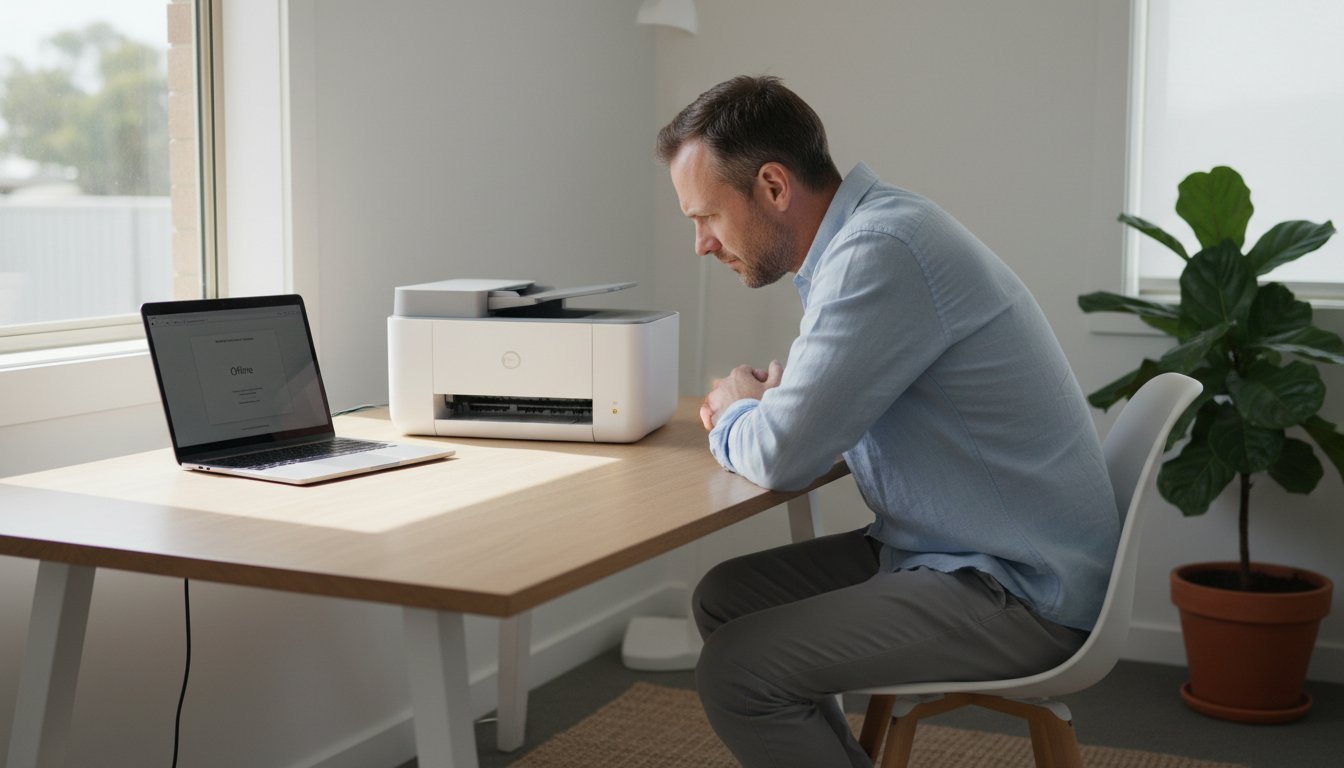

Imagine waking up to a silent PC that refuses to boot, knowing your only copies of ten years of family photos and business tax records are trapped inside. It is a terrifying reality for the 6% of computer users who experience data loss every year due to hardware failure. If you are searching for how to back up my entire computer to an external hard drive, you want more than just a few files saved; you want a complete digital twin of your system that preserves everything from your Windows settings to your software licenses.
We understand that technical jargon like “system image” or “file history” feels overwhelming, especially when you just want the peace of mind that your data is safe here in Toowoomba. You don’t need to call a technician to protect your digital life. This guide provides a clear, expert-led path to creating a complete safety net using a standard external drive, which currently costs as little as $50 for a 1TB HDD or $90 for a faster SSD. You will learn the exact steps to mirror your entire Windows 11 setup, ensuring that if your hardware fails, you can restore your entire computer exactly how it was.
Key Takeaways
- Learn the difference between a simple file copy and a full “digital twin” to ensure your Windows settings and software licenses are fully protected.
- Use the “2x Rule” to select an external drive with enough capacity and speed to prevent bottlenecks during the backup process.
- Get step-by-step instructions on how to back up my entire computer to an external hard drive using the built-in system image tool for a complete recovery.
- Apply the 3-2-1 rule by keeping multiple copies of your data on different media, including one offsite for maximum security.
- Find out how Aspire Computing provides local, professional support in Toowoomba for those who want a guaranteed digital safety net without the technical stress.
Why Backing Up Your Entire Computer is Non-Negotiable in 2026
In 2026, the digital threats we face are more aggressive and sophisticated than ever before. Ransomware can now encrypt your cloud-synced files in seconds, often leaving you with nothing but a ransom note and a locked account. To truly understand the basics of data backup, you must realize that a simple copy of your “My Documents” folder is no longer a sufficient safety net. If your hard drive fails, you need a way to rebuild your entire digital life without spending days reinstalling Windows and hunting for software license keys.
A System Image is a complete snapshot of your entire drive, including the operating system, installed applications, and all your personal settings. Learning how to back up my entire computer to an external hard drive using this method creates a “digital twin” of your machine. If your PC fails, you simply plug in the drive and restore everything exactly as it was at the moment of the backup.
To better understand this concept, watch this helpful video:
The ‘Don’t Panic’ Approach to Data Loss
Every hard drive ever manufactured has a 100% failure rate given enough time. It is not a matter of if it will fail, but when. Since Chaim Lee founded Aspire Computing in 1999, we’ve helped thousands of people in Toowoomba recover from sudden hardware deaths. We always tell our clients: don’t panic. A full system backup turns a potential catastrophe into a minor afternoon inconvenience. Instead of losing decades of memories or vital tax records, you are just a few clicks away from a full recovery.
File Syncing vs. True System Backups
Many people believe that having their files in Dropbox or OneDrive means they are protected. This is a dangerous misconception. Cloud syncing is great for sharing photos, but it won’t help you if your Windows installation becomes corrupted or a hardware upgrade goes wrong. External hard drives offer a physical “air-gap” protection that the cloud cannot match. They are also significantly faster. Restoring 500GB of data from a local USB-C drive takes minutes, whereas downloading that same amount over a standard NBN connection could take days.
A true backup includes your profiles, browser bookmarks, and those specific system settings that make your computer feel like yours. If you are already facing a situation where your files seem gone, we offer expert Data Recovery Services to help you get back on track. For everyone else, creating a system image today is the best way to ensure you never need those emergency services. It is the ultimate insurance policy for your digital life.
Choosing the Right External Hard Drive for Your Backup
Before you head to the shops, you need to know exactly how much data you are protecting. Open your File Explorer, right-click on your C: drive, and select “Properties”. This number tells you your current usage, but it isn’t the final capacity you should look for when buying hardware. To successfully learn how to back up my entire computer to an external hard drive, you should follow the 2x Rule. This means your backup drive should be at least double the size of your internal storage. If you have a 500GB drive in your laptop, buy a 1TB external drive. This extra space allows for multiple versions of your system image, so you can go back to a “clean” version from a month ago if a virus strikes today.
The connection type is just as vital as the storage capacity. While USB 3.0 is standard, USB-C is significantly faster and more reliable for moving hundreds of gigabytes at once. You don’t want your backup to take twelve hours because of a slow cable bottleneck. Look for trusted brands like Western Digital (WD) or Seagate. These are widely available through Toowoomba computer retailers and have high reliability ratings for long-term data security.
SSD vs. HDD: Which is Best for Backups?
Solid State Drives (SSDs) are incredibly fast but more expensive per gigabyte. They are perfect if you want your weekly backups to finish in minutes rather than hours. However, traditional Hard Disk Drives (HDDs) are still excellent for “cold storage”. If you plan to create a backup and tuck the drive safely in a drawer, an HDD offers better value for large volumes of data. You can learn more about these drive types in our guide to PC Hardware Upgrades.
Desktop Drives vs. Portable Drives
Portable drives are small and convenient, but they are easier to drop. A single fall can destroy the mechanical parts inside an HDD. Desktop drives are larger and require their own power outlet, but they are “set-and-forget”. They stay on your desk, making it much more likely that you will actually plug them in and run your backups regularly. If you feel unsure about which drive fits your specific setup, you can always talk to the experts at Aspire Computing for a quick recommendation.
Step-by-Step: How to Create a Windows System Image
Most modern guides point you toward the “Windows Backup” app or OneDrive. While these are fine for syncing a few photos, they don’t create a bootable local copy of your system. To learn how to back up my entire computer to an external hard drive properly, we must use the classic tools that Microsoft still keeps in the Control Panel. This method ensures that if your internal drive dies, you can be back up and running in a few hours without calling for help.
Step 1: Connect your external drive. Before starting, open File Explorer, right-click your external drive, and select Format. Ensure the File System is set to NTFS. Windows cannot save large system image files to older formats like FAT32. Once formatted, your drive is ready for its new role as your digital safety net.
Step 2: Access the right tool. Type “Control Panel” into your Windows search bar. Once open, look for “Backup and Restore (Windows 7)”. Don’t let the name fool you; this remains the most reliable way to create a full system image on Windows 10 and 11 as of May 2026.
Step 3: In the left-hand sidebar, click “Create a system image”. Windows will scan your computer for available drives. Select your external hard drive from the list. The software will automatically include the partitions needed for Windows to run, such as the System Reserved and C: partitions.
Step 4: Confirm your settings and click “Start backup”. Your computer will now begin the process of mirroring your entire drive. This process creates a perfect copy of your environment, including all your software and settings.
Creating the Backup Boot Media
A system image is like a spare tyre, but you still need a jack to lift the car. That jack is your Recovery Drive. If Windows won’t boot, your backup drive is useless unless you have a way to start the recovery environment. Go to your search bar and type “Create a recovery drive”. You will need a small, separate USB stick, at least 16GB, for this. Follow the prompts to create the media. Once finished, use a permanent marker to label it “PC Recovery 2026”. Keep it in a safe place; perhaps tape it to your external hard drive so it doesn’t end up lost in a junk drawer.
Running Your First Full Backup
The initial backup is the most time-consuming part of the process. Depending on your data volume and drive speed, it can take anywhere from 45 minutes to 4 hours. Windows uses a technology called “shadow copy”, which allows you to keep working while it backs up. However, we recommend leaving the PC alone during this phase to prevent errors. Once the progress bar finishes, open your external drive in File Explorer. You should see a folder named “WindowsImageBackup”. Do not move, rename, or open this folder. Its presence is the proof that your digital twin is ready and waiting.
The 3-2-1 Rule: Making Your Backup Bulletproof
Having a single backup drive is a great start, but it isn’t a complete strategy. If a fire or flood hits your home, both your computer and your backup drive could be lost simultaneously. This is why experts recommend the 3-2-1 rule. It stands for having three copies of your data, using two different types of media, with one copy kept offsite. For most residents in Toowoomba, this doesn’t require expensive servers or complex cloud subscriptions. It is a practical way to ensure your digital life survives any disaster.
You can apply this rule easily. Keep your original data on your PC and your first system image on an external drive at home. For the offsite copy, buy a second drive and keep it at a friend’s house in Newtown or a relative’s place in Range. Swapping these drives once a month ensures you always have a recent version of your life safe in a different location. This is the gold standard for anyone learning how to back up my entire computer to an external hard drive with total confidence.
Modern threats are smart. If ransomware infects your PC while your backup drive is plugged in, it can encrypt those files too. This is why we focus on “Active Protection” at Aspire Computing. We help you set up a system where your backups are shielded from unauthorized changes. If you suspect your system is already compromised, check out our guide on Virus and Malware Removal to clean your machine before you start the backup process. Backing up an infected system only preserves the problem for the future.
Common Backup Mistakes to Avoid
Many users make the mistake of leaving their backup drive plugged in 24/7. While it is convenient, it leaves your data vulnerable to the same malware that hits your main drive. Another common error is never testing the restoration process. We’ve seen cases since 1999 where people thought they were protected, only to find the drive was faulty when they actually needed it. Finally, avoid backing up a “sick” computer. If your PC is running slow or behaving strangely, get it checked first so you don’t save a corrupted system image.
Automating the Process
Consistency is the biggest hurdle for most people. Set a recurring calendar reminder for “Backup Sunday” to keep your data fresh. If you are comfortable with more advanced tools, Windows Task Scheduler can automate the launch of your local file history. However, for a full system image, a manual check is usually safer. Always unplug the drive after a successful backup is complete. This small step provides a physical break that protects your files from power surges and cyberattacks. If you want a professional to handle the setup for you, talk to our experts about creating a custom business continuity plan.
When to Call a Professional: Aspire Computing’s Local Support
While we have walked through the technical steps of how to back up my entire computer to an external hard drive, it is perfectly normal to feel a bit hesitant. One wrong click in the Control Panel can feel daunting when your whole digital life is on the line. At Aspire Computing, Chaim Lee and our team of experts are here to take that weight off your shoulders. We don’t just give you a guide; we provide a complete safety net tailored to your specific needs. If you find the process of creating recovery media or formatting drives confusing, don’t panic. We specialize in making these complex tasks simple and stress-free.
Since 1999, we have been the trusted choice for on-site backup setup across Toowoomba, the Darling Downs, and the Lockyer Valley. Whether you are at home in Middle Ridge or running a business in Gatton, we come to you to ensure your digital twin is created correctly the first time. Our goal is to give you total peace of mind, knowing that a local expert has verified your data is safe and reachable if the worst happens.
Our ‘Protect and Connect’ Philosophy
Our mission is encapsulated in our tagline: “Aspire to Protect and Connect.” We believe that technology should work for you, not cause you extra stress. From our office in Newtown, we’ve spent over 25 years helping the local community secure their business continuity. We don’t just set up a drive and leave. We offer remote support to monitor your backup health, ensuring that your weekly images are actually successful. This personal touch is what distinguishes us from anonymous online support services; you know exactly who is looking after your data.
Small Business Backup Solutions
For home offices and small businesses in the region, even an hour of downtime can lead to lost revenue. We provide tailored advice for those who have outgrown simple external drives and need managed backup solutions. By integrating our “Active Protection” and Cyber Security services, we shield your backups from the growing threat of ransomware. We help you transition to a professional system that runs quietly in the background, so you can focus on your work without worrying about hardware failure. If you want to ensure your setup is bulletproof, contact us for a professional backup audit today.
Secure Your Digital Future Today
Creating a complete system image is the only way to ensure your computer can be restored exactly as it was before a major failure. By following the 3-2-1 rule and maintaining an offsite copy, you build a safety net that protects against everything from sudden hardware death to aggressive ransomware. Learning how to back up my entire computer to an external hard drive is a vital skill for any PC owner, but you don’t have to manage the technical setup alone. Since 1999, we’ve provided professional on-site support across Toowoomba and the Darling Downs to help our neighbors stay protected.
If the steps feel overwhelming or you want the assurance that your backup is configured correctly, our expert data recovery specialists are ready to assist. We take the stress out of technology so you can focus on your work and family. Aspire to Protect your data; Talk to Chaim and the experts at Aspire Computing today for a secure backup setup. You’ve worked hard to build your digital life; taking a few minutes to secure it today means you can sleep soundly tonight.
Frequently Asked Questions
How long does it take to back up an entire computer to an external drive?
A full system backup typically takes between 45 minutes and 4 hours. The exact time depends on your data volume and the speed of your connection. For example, moving 500GB of data to a standard HDD via USB 3.0 usually takes about 3 hours, while a modern SSD can complete the same task in under 60 minutes.
Can I still use my computer while the backup is running?
Yes, you can continue to work while Windows creates your system image. The software uses a technology called Volume Shadow Copy to capture files even while they are open. However, it’s best to avoid heavy tasks like gaming or video editing during this time. These activities can slow down the process or lead to minor errors if the system resources are stretched too thin.
Will an external hard drive backup save my installed programs like Microsoft Office?
Yes, a proper system image saves every bit of data on your drive, including your installed applications. This means your copies of Microsoft Office, accounting software, and specialized business tools are all protected. If your drive fails, you won’t need to hunt for old installation discs or license keys because the software will be restored exactly as it was.
What happens if my external hard drive runs out of space during a backup?
The backup process will stop and Windows will display an error message stating that there is not enough disk space. To prevent this, always follow the 2x Rule mentioned earlier in this guide. If your internal drive has 500GB of data, ensure your external drive has at least 1TB of free space to accommodate the image and future updates.
Do I need special software to back up my computer, or is Windows enough?
Windows includes all the necessary tools to create a complete digital twin of your machine. You don’t need to purchase expensive third-party software to learn how to back up my entire computer to an external hard drive. The legacy “Backup and Restore” tool found in the Control Panel remains the gold standard for creating local system images in 2026.
Is it better to use a portable SSD or a larger desktop HDD for system images?
It depends on whether you value speed or storage capacity. A portable SSD is much faster and more durable, making it ideal if you move your laptop frequently. However, a desktop HDD offers more gigabytes for a lower price. This makes the HDD a better choice for “cold storage” backups that stay safely in a desk drawer.
Can I back up multiple computers to the same external hard drive?
Yes, you can store backups from several different PCs on one large external drive. Windows automatically creates separate sub-folders for each computer based on its unique network name. Just ensure the drive is large enough to hold multiple system images. Keep in mind that if that one drive fails, you lose the backups for all those machines at once.
How often should I update my full system image backup?
We recommend creating a new system image at least once a month. This ensures that your “digital twin” is never too far out of date. For your daily documents and photos, you should use a separate tool like File History which runs in the background. This balanced approach protects your entire system without putting excessive wear on your external hard drive.

B.App.Sc., Cert. Computer Engineering PC Service and Repair
As the owner of Aspire Computing founded in 1999, Chaim Lee has been working for over 20 years as the Leading Computer Technician.
He has a life long interest in electronics, computing, science and technology. He has completed studies and gained qualifications in Applied Science, Computer Repair and Service, Microsoft Installation and Maintenance, Technical Writing, Workplace Training, and Technical Sales Training.