

On-site and by Remote Computer and Network Service and Repair in the Toowoomba Region
Aspire Computing Toowoomba
  • OUR SERVICES
    • Computer Repairs Toowoomba
    • Data Recovery Toowoomba
  • IT SUPPORT
    • Remote Computer Support Toowoomba
  • ABOUT
  • BLOG
  • CONTACT US

Phone Us

0402 017 396

Opening Time

8.30am - 6.00pm

Contact Us

Aspire Computing

Tag: <span>Hacked Account</span>

Aspire Computing ToowoombaNo 1 PC Repairs for Newtown ToowoombaHacked Account
By Chaim Lee / Uncategorized / Account Recovery • AI scams • cybersecurity • data breach • email security • Hacked Account • Online Safety • Phishing / 0 Comments
8 Jun 17 June 2026

How to Tell If My Email Has Been Hacked: 8 Warning Signs for 2026

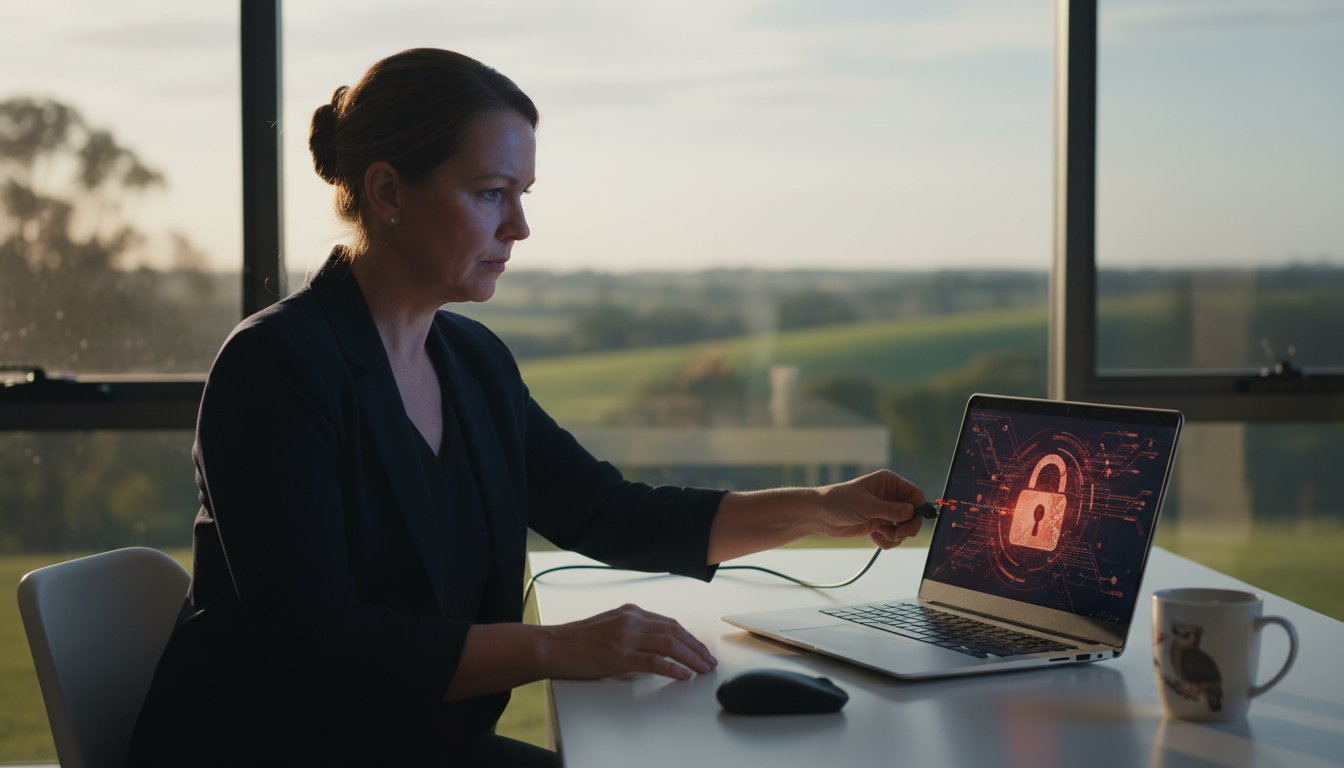
Did you know that the median time for a person to click on a malicious email link is just 21 seconds? In the time it takes to sip your coffee, a cybercriminal could potentially gain access to years of your private data. It’s completely normal to feel a surge of anxiety when you notice a strange login alert or a message in your sent folder that you didn’t write. You depend on your email for everything from business deals to family photos, and the thought of a stranger lurking in your account is genuinely unsettling. If you are wondering how to tell if my email has been hacked, you aren’t alone, and you don’t have to figure it out by yourself.

I believe that security should be straightforward and accessible, not buried under confusing technical jargon. My goal is to help you replace that worry with certainty by identifying the subtle red flags that modern hackers use to stay hidden. This guide provides a clear checklist of eight warning signs for 2026, including how AI is making phishing more deceptive than ever. We’ll also cover the practical steps you can take right now to secure your account and keep your personal information safe. If things ever feel too complex, remember that expert help is always available to get your digital life back on track.

Key Takeaways

  • Recognising unauthorised password reset requests and ghost messages in your sent folder provides an instant answer to how to tell if my email has been hacked.
  • Checking your hidden email forwarding rules and login logs is essential for catching silent attackers who prefer to monitor your private data.
  • Use external verification tools and dark web alerts to see if your personal credentials have been exposed in a historical data breach.
  • Develop a reliable recovery plan that focuses on complex passphrases and multi-factor authentication to secure your digital identity.
  • Understand when to seek professional help for security audits and on-site virus removal to ensure your computer remains a safe environment.

Table of Contents

  • Immediate Red Flags: The Obvious Signs Your Email is Compromised
  • Digging Deeper: Hidden Settings and Activity Logs to Check
  • External Proof: Using Tools and Feedback to Confirm a Breach
  • Immediate Steps: What to Do Once You Confirm a Hack
  • Professional Security: How Aspire Computing Secures Your Digital Life

Immediate Red Flags: The Obvious Signs Your Email is Compromised

Identifying a compromise doesn’t always require deep technical knowledge. Often, your account will start behaving in ways that simply feel wrong. If you’re currently wondering how to tell if my email has been hacked, start by looking at your notifications. Are you receiving password reset emails for your bank or social media accounts that you didn’t request? This is a major red flag. It suggests that someone has already accessed your email and is now trying to take over your other digital assets. When an attacker gains control of your primary inbox, they essentially hold the keys to your entire online identity.

To better understand how these breaches look in practice, watch this helpful video:

https://www.youtube.com/embed/K2kBPxxsR7w?rel=0&hl=en

Beyond unexpected reset requests, you should watch for these unmistakable signs of trouble:

  • The Sent Folder Check: Open your sent items. If you see messages there that you didn’t write, your account is being used as a staging ground for spam or phishing.
  • The “Weird Email” Report: Pay attention when friends or colleagues mention receiving strange links or urgent requests for money from your address.
  • Account Lockouts: If your known password suddenly fails and you haven’t changed it, an intruder has likely beaten you to it and locked you out to buy themselves time.

The “Ghost in the Machine” Phenomenon

Have you noticed emails in your inbox are already marked as read before you’ve even touched them? This usually indicates a second active session. Hackers often lurk in the background to monitor your communications rather than changing your password immediately. They might use email spoofing techniques to trick your contacts, but if the messages are actually in your Sent folder, the breach is internal. Don’t ignore those Multi-Factor Authentication (MFA) prompts on your phone. If you get an “Approve Login” request while you aren’t trying to sign in, it’s a clear sign an attacker has your password and is trying to bypass your final security layer.

Unrecognised Device Alerts

Major providers like Google, Microsoft, and Yahoo are excellent at spotting unusual activity. If you receive a “New Login” alert from a city or country you’ve never visited, take it seriously. It’s easy to mistake your own VPN for an intruder, but a genuine alert usually includes details about the device type and browser. If you see a login from a Linux machine or an Android device while you only use Windows and iPhones, you have a problem. If these signs are appearing, it’s time to seek professional help. At Aspire Computing, we help Toowoomba residents regain control of their digital lives through thorough security audits and virus removal. We understand how to tell if my email has been hacked and can provide the reassurance you need to secure your data for good.

Digging Deeper: Hidden Settings and Activity Logs to Check

Sometimes, hackers don’t want you to know they are there. They prefer to sit quietly in the background, harvesting your data or waiting for a specific transaction to intercept. If you’ve looked for the obvious signs and still feel uneasy, it’s time to dig into your account settings. This is often the most reliable way for how to tell if my email has been hacked because settings don’t lie. While a hacker can delete a sent message, they often leave behind technical footprints in your account configuration.

Start by inspecting your “Deleted Items” and “Trash” folders. Sophisticated attackers will often delete the security alerts sent by your email provider to cover their tracks. If you find “New Login” notifications or password reset confirmations in the bin that you never opened, an intruder was likely cleaning up after themselves. You should also look for any new “App Passwords” or third-party app permissions. These are special codes that bypass standard security to let apps access your mail. Hackers love them because they often stay active even if you change your main password.

The Silent Forwarding Trick

Check your “Forwarding” and “Rules” sections immediately. Attackers often set up a rule that automatically forwards every incoming email to an external address they control. This allows them to see your bank statements or private business deals without you ever seeing a notification. In Gmail, you’ll find this under “Forwarding and POP/IMAP” in your settings. In Outlook, check the “Rules” or “Forwarding” tabs. If you see an email address you don’t recognise, delete it instantly. This trick is a common way for criminals to bypass Multi-Factor Authentication (MFA) by simply reading the codes as they arrive in your inbox.

Audit Your Connected Devices

Every major email provider allows you to view a list of every phone, tablet, and PC currently logged into your account. Review your “Recent Activity” or “Login Activity” logs for unfamiliar IP addresses. These logs provide a timestamped history of every access point. If you live in Toowoomba but see a login from a different state or country, you have found your proof. Use the “Log out of all sessions” button to immediately boot every device off your account. This forces everyone, including the intruder, to re-enter a password. If these technical steps feel overwhelming, a professional cyber security check can provide the peace of mind you need to know your data is truly safe.

Identifying these hidden changes requires a methodical approach. By checking your settings and logs regularly, you can catch a breach before it turns into a case of identity theft. It’s about taking back control and ensuring that you are the only one with eyes on your private communications. If you discover signs of a breach, don’t panic; simply follow the recovery steps to lock the intruder out for good.

External Proof: Using Tools and Feedback to Confirm a Breach

Sometimes the evidence of a hack doesn’t live inside your inbox. It lives on the wider internet. If you have looked through your settings and still feel uneasy, you should turn to external validation tools. A primary resource I recommend to my clients is “Have I Been Pwned.” This website allows you to enter your email address to see if it has been included in any major historical data leaks. While an entry there doesn’t always mean you are currently compromised, it is a definitive way for how to tell if my email has been hacked in the past, which often leads to current vulnerabilities.

You should also pay close attention to your “Digital Circle.” Your friends, family, and business associates are often your best early warning system. If people are reporting that they’ve received strange links, unsolicited attachments, or urgent requests for money from your address, take them seriously. Hackers often use your trusted reputation to spread malware to your contacts. By the time you notice, the damage to your professional relationships may already be done. Modern browsers like Chrome and Edge now offer built-in Dark Web monitoring that will alert you if your password appears in underground marketplaces. These alerts are not “spam”; they are critical signals that your security has been bypassed.

Understanding Data Breaches

A data breach is a security incident where sensitive information is stolen from a service provider’s database rather than from your personal computer or phone. If a shopping app or a fitness tracker you used years ago suffers a breach, your email and password combination could be sold to the highest bidder. The reality in 2026 is that most account takeovers don’t happen because of a direct attack on your device. Instead, they occur because hackers use leaked credentials from old breaches to try and unlock your current accounts. This is why using the same password across multiple sites is so dangerous.

Local Scam Awareness in Toowoomba

In the Darling Downs region, we see specific phishing trends that target our local community. A common tactic involves fake “NBN update” emails that claim your service will be disconnected unless you log in to “verify” your account. You can tell a fake from a genuine notice by looking at the sender’s address and checking for a sense of manufactured urgency. Real providers rarely ask you to click a link to enter your password. These local scams are particularly effective because they use context we recognise, like regional infrastructure projects or local business names, to lower our guard. If you’re ever unsure about a suspicious email, it’s always safer to call the company directly using a number from their official website.

Immediate Steps: What to Do Once You Confirm a Hack

Once you’ve worked through the checklist for how to tell if my email has been hacked, the focus shifts to containment. You must act quickly to limit the damage. Start by changing your password immediately. Don’t just use a slightly different version of your old one. Instead, create a unique, complex passphrase. For 2026, I recommend using four or five random words joined by symbols, such as “Blue-Wombat-Running-Sky-26!”. These are much harder for hacker tools to crack than traditional passwords.

Next, you must reset your Multi-Factor Authentication (MFA). If an attacker has managed to bypass your current MFA, resetting the “secret key” or switching to a dedicated authenticator app can kick them out for good. It’s also vital to notify your bank and your primary contacts. Since 91% of cyberattacks begin with an email, your friends and family need to know that any strange messages they receive from you are not genuine. This transparency protects your reputation and their security.

Securing the Root Cause

Changing your password is useless if your physical computer or laptop has a virus. If an attacker has installed a keylogger on your device, they’ll simply see your new password the moment you type it. This is why a professional malware scan is a non-negotiable step in the recovery process. You should also take this time to verify your recovery phone number and backup email address in your account settings. Hackers often change these details so they can regain access even after you’ve changed your password. Using a password manager is a great way to prevent future compromises, as it allows you to have unique, strong credentials for every single site without having to remember them all.

Protecting Connected Accounts

Your email is the master key to your digital life. You need to prioritise securing accounts linked to your inbox, particularly banking, MyGov, and social media. Check your account security settings to see if “Sign in with Google” or “Sign in with Microsoft” has been abused to gain access to other platforms. If you see third-party apps you don’t recognise, revoke their access immediately. In extreme cases where the breach is deep and recurring, you might need to consider the “nuclear option” of creating a completely new email address. If you’re in Toowoomba and need help ensuring your hardware is clean, Aspire Computing provides expert Virus and Malware Removal to give you a fresh, secure start.

Professional Security: How Aspire Computing Secures Your Digital Life

Dealing with a compromised account is exhausting. Even after you’ve worked through the steps on how to tell if my email has been hacked and taken the initial recovery actions, a lingering sense of doubt often remains. You might wonder if a hidden keylogger is still recording your keystrokes or if a back-door access point was left open by the intruder. At Aspire Computing, we specialise in removing that uncertainty. We provide thorough on-site virus and malware removal for homes and offices throughout Toowoomba, ensuring your physical hardware is as secure as your online accounts. Our professional security audits go much deeper than a standard scan; we hunt for the subtle configuration errors that hackers use to maintain a silent presence in your digital life.

If a breach has already caused damage, our team can assist with expert data recovery. Hacks occasionally lead to file loss or malicious encryption, and having a local expert to handle the restoration process can be the difference between a minor setback and a total loss of information. We don’t just fix the immediate problem. We also help you implement long-term solutions like the personalised setup of password managers and robust Multi-Factor Authentication (MFA) systems that are easy to use but difficult to bypass.

Local Help When You Need It Most

While remote support has its place, it isn’t always enough when your primary device is compromised. A deep-seated infection often requires physical access to the machine to ensure every trace of malicious code is purged. I’ve been serving the Toowoomba community since 1999, and I understand the anxiety that comes with a technical failure. We take a calm, methodical approach to every crisis, treating your data with the same care we would our own. Whether you’ve lost access to critical business communications or you’re worried about identity theft, we provide a reliable, local point of contact you can trust to get things right the first time.

Beyond the Fix: Long-Term Protection

Security isn’t a one-time event; it’s an ongoing process of maintenance and vigilance. Once we’ve cleared the immediate threat, we help you build a more resilient future. This includes regular Windows tune-ups to keep your security patches up to date, which is your first line of defence against the billions of phishing emails sent every day. For our local entrepreneurs, our small business IT support helps protect your livelihood from evolving cyber threats. If you’ve reviewed the warning signs for how to tell if my email has been hacked and found cause for concern, don’t wait for the situation to escalate. Contact Aspire Computing for a security check today and let us help you regain your peace of mind.

Take Control of Your Digital Security Today

Knowing how to tell if my email has been hacked is the first step toward reclaiming your privacy. By staying vigilant about unusual login alerts and checking your hidden forwarding settings, you can catch intruders before they do lasting damage. Security is not just about a strong password. It’s about a multi-layered approach that includes hardware health and external monitoring. If you’ve discovered red flags, don’t let anxiety take over.

Aspire Computing has been serving the Toowoomba community since 1999, providing the dependable expertise you need in a crisis. We offer expert Virus and Malware Removal alongside local on-site and remote IT support to get your digital life back on track. Secure your computer and email with Aspire Computing today. You deserve to use your technology with total confidence and operational stability. We’re here to make sure your data stays exactly where it belongs: with you.

Frequently Asked Questions

Can someone hack my email without my password?

Yes, attackers can gain access through session hijacking or stolen browser cookies. This method allows them to bypass the login screen entirely because your browser “remembers” you as being already logged in. This often occurs if you use unsecured public Wi-Fi or if your device is infected with malware that specifically targets browser data. It’s a reminder that even a strong password isn’t a complete shield without healthy browsing habits.

How did someone get my email password in the first place?

Most passwords are stolen through third-party data breaches or sophisticated phishing attacks. If you use the same password for your email as you do for a shopping site that gets breached, hackers can easily find your credentials on the dark web. Since 91% of cyberattacks begin with an email, it’s likely you were sent a deceptive link that looked like a genuine login page for a service you trust.

Is it safe to keep using an email account after it has been hacked?

It’s safe to keep your account only after you’ve performed a complete security audit. You must change your password, reset your multi-factor authentication, and delete any unauthorised forwarding rules. If you aren’t confident in how to tell if my email has been hacked and cleared of all intruders, seeking a professional security check is the best way to ensure no hidden backdoors remain open.

Will a factory reset on my computer fix a hacked email?

No, a factory reset only cleans your physical hardware. While this is a great way to remove keyloggers or viruses that might be stealing your keystrokes, the actual breach exists on your provider’s servers. You still need to log in to your account from a clean device to change your password and security settings. A reset fixes the “spy” on your desk, but it doesn’t kick the intruder out of your inbox.

What is the difference between a phishing email and a hacked account?

A phishing email is a fraudulent message designed to trick you into revealing your details, while a hacked account means the intruder has already gained access. Think of phishing as the “bait” and the hack as the “hook.” You can receive thousands of phishing emails without ever being hacked, provided you don’t click the links or provide your private information to the sender.

Does Aspire Computing provide on-site help for hacked accounts in Toowoomba?

Yes, we provide on-site virus and malware removal for homes and small businesses throughout the Toowoomba region. We’ve been helping locals since 1999 and understand that some security issues are too stressful to handle alone. If you’re worried that your computer is still compromised, we can visit your location to perform a deep clean and secure your accounts in person.

How long does it take to secure a compromised email account?

You can perform the basic steps like changing your password and resetting MFA in about 20 minutes. However, a full security recovery usually takes several hours. This time is spent running deep malware scans on all your connected devices and auditing every linked account to ensure the hacker hasn’t spread to your banking or social media profiles. Speed is important, but being thorough is what prevents a second breach.

Can I see the IP address of the person who hacked my email?

Most major providers like Gmail and Outlook allow you to view a “Recent Activity” log that includes the IP addresses used to access your account. This can give you a general idea of the intruder’s location, such as a different state or country. Keep in mind that many hackers use VPNs to mask their true identity, so the address you see might belong to a server rather than their actual home.

Computer repairs newtown toowoomba
Chaim Lee

B.App.Sc., Cert. Computer Engineering PC Service and Repair
As the owner of Aspire Computing founded in 1999, Chaim Lee has been working for over 20 years as the Leading Computer Technician.
He has a life long interest in electronics, computing, science and technology. He has completed studies and gained qualifications in Applied Science, Computer Repair and Service, Microsoft Installation and Maintenance, Technical Writing, Workplace Training, and Technical Sales Training.
www.aspirecomputing.com.au/aspire-computing/
What to Do If Your Computer Is Hacked: A 2026 Recovery Guide
By Chaim Lee / Uncategorized / Computer Security • cybersecurity • data breach • Digital Security • Hacked Account • Hacking • malware • tech support • Virus Removal / 0 Comments
7 Mar 31 July 2026

What to Do If Your Computer Is Hacked: A 2026 Recovery Guide

Last Tuesday, a local resident in Toowoomba watched in horror as their mouse cursor moved independently, opening private folders and accessing sensitive tax files. It’s a terrifying experience that nearly 33% of Australians are expected to encounter by the end of 2026. If you’ve noticed strange pop-ups or an unexpected A$450 transaction on your bank statement, don’t panic. We know you’re likely feeling anxious about your identity and confused by complex technical jargon. It’s completely normal to feel violated, but there’s a clear path forward to fix this.

Knowing exactly what to do if your computer is hacked is the difference between a minor headache and a total digital disaster. This guide provides a professional, step-by-step emergency roadmap to stop active threats and reclaim your digital life. We’ll show you how to isolate your machine, secure your Australian bank accounts, and ensure your hardware is physically clean of malware. You’ll finish this article with a clear plan to restore your security and prevent future attacks from ever happening again.

Key Takeaways

  • Learn the “Golden Rule” of cyber emergencies and how to immediately sever a hacker’s remote access by disconnecting from the network.
  • Identify the subtle warning signs of a breach, from background performance drops to the deceptive “Fake Antivirus” traps used by modern cybercriminals.
  • Follow our step-by-step roadmap on what to do if your computer is hacked, including why a “Clean Slate” system reinstallation is often the only way to guarantee your safety.
  • Discover how to future-proof your digital life using the “Essential Eight” security steps and modern hardware upgrades tailored for the 2026 threat landscape.
  • Understand why local, face-to-face support in Toowoomba provides a safer, more accountable recovery experience than remote “experts” or generic call centres.

Table of Contents

  • Emergency First Response: What to Do the Moment You Suspect a Hack
  • Identifying the Breach: Signs Your Computer Has Been Compromised
  • The Recovery Process: Sanitizing Your System and Accounts
  • Future-Proofing: How to Aspire to Protect and Connect in 2026
  • Why Professional Local Support is Your Best Defense in Toowoomba

Emergency First Response: What to Do the Moment You Suspect a Hack

Realising your screen is moving on its own or seeing strange files appear can be terrifying. The “Golden Rule” in this situation is simple: don’t panic, but move with calculated speed. Every second an attacker has access to your system increases the risk to your personal data. At Aspire Computing, we’ve helped Toowoomba residents recover from these situations since 1999, and we know that the first 60 seconds are the most critical. If you are wondering what to do if your computer is hacked, your immediate goal is to contain the threat before it spreads to your bank accounts or your contacts.

The key to handling any emergency, digital or physical, is having a plan. Just as you need a roadmap for a hacked computer, knowing your options for a sudden medical issue is equally vital. For example, readers dealing with an unexpected dental problem can explore Emergency Dental Services to understand their choices for urgent care.

To better understand how to spot these red flags and initial threats, watch this helpful video:

Severing the Remote Connection

Hackers usually rely on an active internet connection to maintain control. Turn off your Wi-Fi router or pull the Ethernet cable out of the back of your machine immediately. This kills their “live” access. Don’t just put the laptop to sleep; a sleeping computer often maintains network heartbeats that allow background processes to continue. If you can’t disable the network, power the machine down completely. Never use the compromised computer to search for help. Use your phone or a separate, clean tablet instead. This prevents the attacker from monitoring your recovery steps or stealing the login details for your support accounts.

Grab a physical notepad and a pen to create a log of events. Digital notes on a hacked PC aren’t safe and can be deleted by the intruder. Write down the exact time you noticed the issue. List every pop-up, weird sound, or program that opened by itself. This documentation is a vital part of the computer security incident management process. According to the Australian Cyber Security Centre (ACSC), cybercrime reports rose by 23% in the 2022 to 2023 financial year. Having a clear, written timeline helps experts trace the entry point and provides evidence if you need to file an official report later.

Securing Your Financial Perimeter

Your bank should be your second phone call after you’ve isolated the machine. If you use CommBank, Westpac, ANZ, or any local Australian credit union, call their fraud department immediately. Tell them your computer was compromised. They can freeze your accounts or place a temporary “watch” on your funds. The average cost of cybercrime for Australian individuals rose to A$46,000 in 2023, so acting within minutes can save your life savings. If you suspect your Tax File Number or Medicare details are at risk, contact the Australian Taxation Office (ATO) on 1300 130 330 to protect your identity from being used for fraudulent tax returns.

Checking your email “Sent” folder from a secure device is another vital step. Hackers often go there first to find invoices or personal scans you’ve sent to others. Look for any unauthorized messages sent in the last hour. If you see emails you didn’t write, it’s a sign they’ve already started harvesting your data to target your friends or business associates. Understanding what to do if your computer is hacked starts with this perimeter defense. By cutting the connection and alerting your financial institutions, you stop the bleeding before moving on to the actual repair and cleanup of your system.

Identifying the Breach: Signs Your Computer Has Been Compromised

Discovering your digital privacy has been invaded is a stressful experience. At Aspire Computing, we always tell our clients: don’t panic. Knowing what to do if your computer is hacked starts with a clear-headed assessment of the symptoms. Cybercriminals often try to remain invisible, but they almost always leave digital footprints. If your system feels “off,” it probably is. According to the Australian Cyber Security Centre (ACSC), a cybercrime is reported every 6 minutes in Australia, so you aren’t alone in this fight.

Malware often runs intensive processes in the background, stealing your system resources. You might notice your cooling fans spinning at maximum speed even when you’re just looking at your desktop. If your Task Manager shows CPU usage spiking above 85% for no reason, background mining or data exfiltration could be the cause. Another common tactic is the “Fake Antivirus” pop-up. These aggressive windows use bright red text and loud alerts to claim your PC has 43 viruses. They want you to pay A$50 or A$100 for “repair software” that is actually the virus itself. Real security software doesn’t use hostage-style marketing.

Browser hijacking is a particularly frustrating sign of a breach. You might open your browser to find your homepage changed from Google to a cluttered, ad-filled search engine you’ve never heard of. If your search results redirect you to suspicious shopping sites or adult content, your browser’s internal settings have been seized. This often happens through malicious extensions or “helper” objects installed without your consent. If you see these signs, it’s vital to report the incident to the Australian Cyber Security Centre (ACSC) or the relevant local authorities to help track these international criminal networks.

Software and System Red Flags

Keep a sharp eye on your desktop and taskbar. If new icons appear for programs like “PC Speedup Pro” or “Disk Cleaner” that you didn’t download, your system is compromised. Sometimes you’ll see your mouse cursor move independently, clicking on folders or typing in search bars. This indicates a Remote Access Trojan (RAT). Frequent system crashes are another sign. While a single “Blue Screen of Death” might be a driver fluke, seeing it 3 or 4 times in a single week often suggests malware is corrupting your core system files.

Account and Identity Warnings

Your accounts often show signs of a hack before your hardware does. If friends mention receiving weird emails or Facebook messages from you containing “special deals” or suspicious links, your login credentials have likely been leaked. Pay close attention to your phone; receiving a Two-Factor Authentication (2FA) code when you aren’t trying to log in is a major warning. It means a hacker already has your password and is trying to bypass the final security gate. Check your Google or Microsoft security settings immediately. If you see a recovery phone number or email address that isn’t yours, an intruder has already started “nesting” in your account to prevent you from locking them out.

Identifying these signs early can save you thousands of dollars in potential fraud and hours of recovery time. If things feel overwhelming, you can always talk to the experts at Aspire Computing for a professional system audit. We’ve been helping the Toowoomba community stay secure since 1999, and we know exactly how to spot the hidden tracks hackers leave behind.

The Recovery Process: Sanitizing Your System and Accounts

Seeing a green checkmark on your antivirus dashboard doesn’t always mean your system is clean. Modern malware is designed to be “evasive,” meaning it can hide in areas your standard scanner might ignore. If you’re wondering what to do if your computer is hacked, the first priority is isolation, but the second is total sanitization. Relying solely on consumer-grade software after a breach is a risk you shouldn’t take. Statistics from 2023 show that nearly 70% of successful malware attacks now involve “fileless” techniques that bypass traditional signature-based detection entirely.

Sometimes, the only way to be 100% certain of your safety is the “Clean Slate” approach. This involves backing up your essential documents, wiping your hard drive, and performing a fresh installation of Windows. It sounds drastic, but it’s the gold standard for security. For many Australians, this process feels overwhelming. That’s why the Australian Cyber Security Centre (ACSC) provides the ReportCyber portal. If you’ve lost money or had your identity stolen, reporting the incident there is a critical step for both legal protection and national threat tracking.

Don’t try to handle identity theft alone. IDCARE is Australia’s national identity and cyber support service. They provide free, specialist advice to help you create a remediation plan. This is especially important if your Tax File Number or Medicare details were compromised. They work alongside you to contact banks and government agencies, ensuring the hacker can’t use your name to open new accounts or claim benefits.

Deep Malware Removal and Verification

There is a massive difference between “quarantining” a simple virus and removing a rootkit. Rootkits embed themselves deep within your operating system’s kernel, often starting before Windows even loads. Sophisticated breaches can even infect your hardware’s firmware, such as the UEFI or BIOS. The team at Aspire Computing performs deep system audits that inspect boot sectors and registry hives to ensure no hidden backdoors remain. We don’t just delete files; we verify the integrity of your entire environment so you can work without fear.

The Password Reset Hierarchy

Understanding what to do if your computer is hacked involves more than just running a quick scan; it requires a methodical rebuild of your digital life. You must follow a specific hierarchy when changing passwords. Start with your primary email account and your banking apps. If a hacker controls your email, they can “reset” passwords for every other service you use. If you suspect your personal details were leaked, following the official steps after a data breach can help you lock down your credit and tax records effectively.

  • Use Passphrases: Move away from short passwords. Use four or more random words (e.g., “BlueToowoombaCoffeeCloud”) to meet 2026 security standards.
  • Global Logout: Most platforms like Google, Microsoft, and Facebook have a “Log out of all sessions” button. Use this immediately to kick the hacker out of active sessions on their own devices.
  • Update Recovery Info: Check that the hacker hasn’t changed your recovery phone number or secondary email address to their own.

Professional recovery isn’t just about fixing the machine; it’s about restoring your peace of mind. Since 1999, we’ve seen how much stress a breach causes. Taking these methodical steps ensures that once the hacker is gone, they stay gone. It’s about building a perimeter that protects your family and your business for the long term.

What to Do If Your Computer Is Hacked: A 2026 Recovery Guide

Future-Proofing: How to Aspire to Protect and Connect in 2026

Knowing what to do if your computer is hacked is a vital skill, but building a resilient digital fortress for the future is even better. By 2026, cyber threats will be more automated, making manual security checks insufficient. To stay ahead, we look to the “Essential Eight” strategies developed by the Australian Cyber Security Centre (ACSC). While these were designed for large organisations, they’re now the baseline for any Toowoomba home office or small business. Implementing these steps, such as restricting administrative privileges and daily backups, can mitigate approximately 85% of common cyber attacks.

Security isn’t just about software; it’s deeply tied to your physical kit. If your PC is more than five years old, it likely lacks the Trusted Platform Module (TPM 2.0) hardware required for the most secure versions of Windows. Upgrading your hardware ensures you can run modern operating systems with “Core Isolation” enabled. This feature uses hardware-based virtualisation to protect your system’s most sensitive processes from malware. It’s a layer of protection that old hardware simply cannot provide, no matter what antivirus you install.

Data continuity is your final safety net. We recommend an automated, encrypted 3-2-1 backup strategy. This means having three copies of your data, on two different media types, with one copy kept off-site. In 2026, simple cloud syncing isn’t enough. You need “immutable” backups that hackers can’t delete even if they gain access to your main account. A regular Windows Tune-Up is also a security necessity. It’s not just about speed. During a tune-up, we remove “bloatware” and outdated apps that create “attack surfaces” for hackers to exploit. A lean system is a secure system.

Advanced Authentication and Management

Moving into 2026, SMS-based two-factor authentication is no longer the gold standard. Hackers now use “SIM swapping” to intercept those codes. It’s time to switch to hardware security keys or authenticator apps like Microsoft Authenticator. You should also use a Password Manager to generate unique, 20-character passwords for every site. This prevents “credential stuffing,” where a leak at one website gives a hacker access to all your accounts. Finally, stop using an “Administrator” account for your daily browsing. Setting up a “Standard User” account for daily use prevents 90% of critical vulnerabilities from executing on your machine.

Active Protection and Monitoring

Modern protection means catching exploits before they even execute. Real-time threat monitoring looks for suspicious patterns, such as a word document suddenly trying to run a script. This is why patch management is so critical. When you see an update notification, it often contains a fix for a “Zero-Day” vulnerability that hackers are already using. Don’t click “Remind Me Later.” For local peace of mind, Aspire Computing provides active protection for Toowoomba small businesses, ensuring your systems are monitored and patched 24/7. We take the guesswork out of security so you can focus on your work.

Ready to secure your digital future? Book a Professional Windows Tune-Up and Security Audit with Chaim Lee today to ensure your system is 2026-ready.

Why Professional Local Support is Your Best Defense in Toowoomba

Knowing what to do if your computer is hacked starts with a single, vital rule: stop and breathe. Panic leads to rushed decisions that often make a security breach worse. While online guides offer a great starting point, they can’t replace the hands-on expertise of a local technician who understands the specific threats targeting Toowoomba residents. Since 1999, Aspire Computing has operated with a philosophy of personal accountability. When you bring your machine to our workshop in Newtown, you’re handing it to Chaim Lee and a team with over 25 years of local experience, not a nameless voice in a call centre halfway across the globe.

The “Local Advantage” is about more than just proximity; it’s about physical security. A remote technician can only see what the software allows them to see. If a sophisticated hacker has installed a rootkit or a hardware-level exploit, a remote session might miss it entirely. By choosing a local professional, you ensure your hardware is physically inspected. We check for unauthorized devices and ensure the “clean” state of your machine is absolute. This level of certainty is the only way to move from a state of “Hacked” to “Healthy” with total confidence.

The Risks of Remote-Only “Fixes”

Many victims of cybercrime fall into a second trap: the “Microsoft Support” scam. These criminals monitor search patterns to find people looking for what to do if your computer is hacked. They pose as helpful experts but actually install backdoors to steal banking data. A physical diagnostic in our Newtown shop rules out hidden hardware keyloggers that remote software cannot detect. Local accountability ensures your sensitive data stays in safe, reachable hands.

Choosing between on-site and remote support depends entirely on the severity of the breach. For minor software glitches or email configuration, remote help is fast and efficient. However, when your security is compromised, on-site support or a workshop visit is the gold standard. We provide a thorough scrub of your system that remote tools simply can’t match. This includes deep-level registry cleaning and firmware verification to ensure no sleepers are left behind to reignite the infection in three months.

Getting Started with Aspire Computing

Our repair process is designed to remove the stress from your cyber crisis. We’ve been serving the Toowoomba, Darling Downs, and Lockyer Valley regions since 1999, building a reputation for speed and reliability. We don’t just fix the immediate problem; we implement “Active Protection” to prevent a recurrence. This methodical approach ensures your digital life remains connected and protected against future evolving threats.

  • Step 1: Immediate isolation of the infected device to protect your home network.
  • Step 2: Comprehensive hardware and software diagnostic at our Newtown facility.
  • Step 3: Secure data recovery and deep-system sanitization.
  • Step 4: Installation of robust, multi-layered security protocols.
  • Step 5: A final security audit and performance tune-up to ensure your PC is faster than before the hack.

Don’t let a hacker dictate your digital future. Whether you’re in the middle of Toowoomba or out in the Lockyer Valley, expert help is just a phone call away. You deserve the peace of mind that comes with a professionally secured system. Contact Chaim and the team at Aspire Computing for a security audit today.

Take Control of Your Digital Security Today

Recovering from a cyberattack in 2026 requires a fast, methodical approach. You’ve learned that the first steps involve disconnecting from the network and securing your most sensitive financial accounts immediately. While software tools provide a baseline, they can’t replace the thorough sanitization of a system that’s been deeply compromised. Knowing what to do if your computer is hacked is the first step toward reclaiming your privacy, but you don’t have to face this challenge alone.

Chaim Lee and the team at Aspire Computing have been protecting the Toowoomba community since 1999. With over 25 years of experience, we provide the expert on-site and remote support you need across the Darling Downs. We’ll help you scrub your system and implement the “Protect and Connect” strategy to ensure your digital life stays secure. Don’t let a security breach slow you down. Talk to the Experts at Aspire Computing – We’ll Help You Recover Fast. You’ve got the tools and the local support to get back online with total confidence.

Frequently Asked Questions

Is my computer still hacked if I ran an antivirus scan and it found nothing?

Not necessarily; a clean scan doesn’t guarantee your system is safe. Sophisticated threats like rootkits or fileless malware often hide from standard antivirus software. In 2023, security reports showed that 45% of new malware remained undetected by traditional signature-based tools for the first 48 hours. If your machine still behaves strangely, you need a deeper manual inspection from an expert to ensure your digital security is intact.

Can a hacker see me through my webcam even if the light is off?

Yes, hackers can record you through your webcam without the indicator light turning on. Specialized malware can modify the camera’s firmware to decouple the LED from the sensor. This technique has been documented in security research since 2013. We recommend using a physical sliding cover or unplugging external cameras when they aren’t in use to guarantee your privacy. It’s a simple step that provides total peace of mind.

Should I pay the ransom if my files are encrypted by ransomware?

You should not pay the ransom. The Australian Cyber Security Centre (ACSC) reports that only 1 in 4 victims who pay actually get their data back. Paying also marks you as a “payer,” making you 80% more likely to be targeted again. Instead, focus on professional data recovery and restoring from your most recent backups. We help you regain control of your digital life without funding criminal activity.

How much does it cost to have a professional remove a virus in Toowoomba?

Virus removal in Toowoomba typically costs between A$120 and A$180 depending on the infection’s complexity. At Aspire Computing, we provide transparent pricing and a quick fix for most common infections. Knowing what to do if your computer is hacked involves getting a fixed-price quote so you aren’t surprised by the bill. Our team has helped Toowoomba residents since 1999 with reliable, local, and professional computer service.

Can a hacker access my other devices if they only have my computer password?

Yes, a single password can compromise your entire network if you use the same credentials for multiple accounts. If your computer is synced to a cloud service like iCloud or OneDrive, a hacker can access your phone and tablet data immediately. Statistics show 65% of users reuse passwords across all sites. This makes it easy for criminals to jump from your PC to your bank or private social media accounts.

How do I know if my identity has been stolen after a computer hack?

You can identify identity theft by checking for unauthorized transactions on your bank statements or using services like IDCARE. Look for verification emails you didn’t request or unexpected changes to your credit score. In 2023, the OAIC reported a 26% increase in data breaches affecting Australians. If your computer was compromised, check if your email appears on “Have I Been Pwned” to see if your credentials are for sale.

What is the fastest way to get my computer fixed if I live in Toowoomba?

The fastest way to recover is to contact a local expert for on-site or remote support. Aspire Computing offers a fast return on repairs for Toowoomba locals, often resolving issues within 24 to 48 hours. Understanding what to do if your computer is hacked starts with a quick phone call to Chaim Lee. We’ll assess the damage and help you protect and connect your devices again without any unnecessary delay.

Computer repairs newtown toowoomba
Chaim Lee

B.App.Sc., Cert. Computer Engineering PC Service and Repair
As the owner of Aspire Computing founded in 1999, Chaim Lee has been working for over 20 years as the Leading Computer Technician.
He has a life long interest in electronics, computing, science and technology. He has completed studies and gained qualifications in Applied Science, Computer Repair and Service, Microsoft Installation and Maintenance, Technical Writing, Workplace Training, and Technical Sales Training.

www.aspirecomputing.com.au/aspire-computing/

Recent Posts

  • New Computer Setup Toowoomba: Local Expert Guide for 2026
  • Data Recovery Confidentiality: How to Protect Your Privacy in 2026
  • Slow Computer Repair Toowoomba: Fast Fixes to Boost Your PC Speed
  • MFA for Small Business: 2026 Cyber Security Guide
  • Ransomware Protection for Small Business: The 2026 Australian Guide

Facebook

Archives

  • September 2026
  • August 2026
  • July 2026
  • June 2026
  • May 2026
  • April 2026
  • March 2026
  • February 2026
  • January 2026
  • September 2021
  • August 2021
  • July 2021
  • June 2021
  • May 2021

Categories

  • Articles
  • IT Support
  • Uncategorized

We have been operating in Toowoomba and South Burnett since 1999, looking after Small Business and Home Offices.

We offer On-Site and Remote Support services. On-Site services available in Toowoomba, Darling Downs, Lockyer Valley, Oakey, Pittsworth, Crows Nest, Warwick, Southern Downs, Granite Belt and some surrounding areas.


LOCATION

46 Brigalow St, Newtown QLD 4350

Postal Address:
PO Box 1900, Toowoomba Qld 4350

CONTACT US

0402 017 396 - For Service

(07) 4634 2450 - Head Office

Contact Us

SOCIAL MEDIA

© 1999-2019 Aspire Computing. All rights reserved.
Verified by MonsterInsights